
Multipass is a financial services provider offering global business accounts, multi-currency payments, and cross-border transaction solutions.
Read case study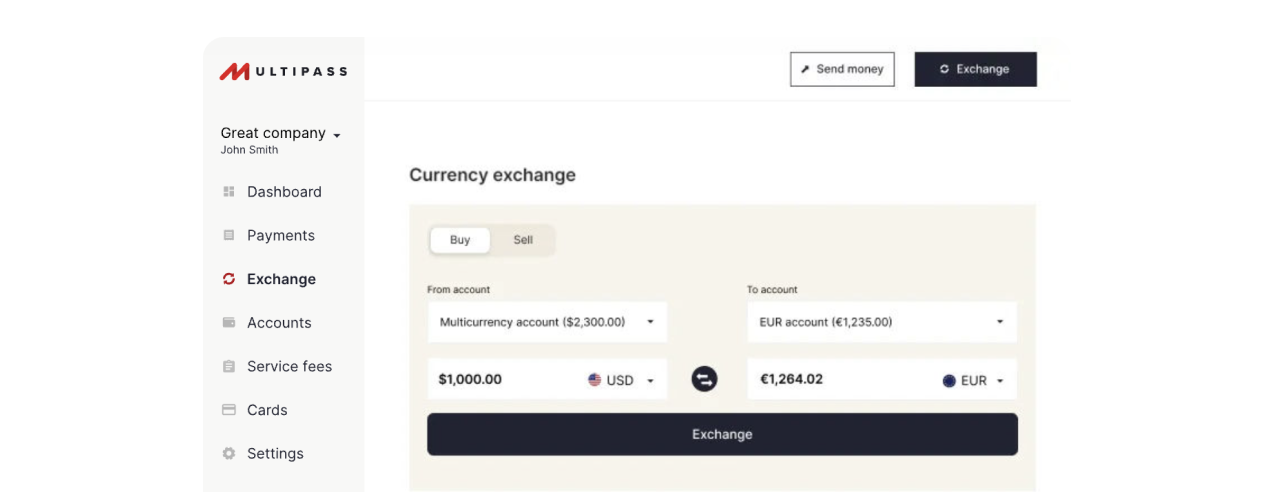
UK and EU · EMI
An EMI authorisation takes months, often more than a year. Many founders do not wait: they launch under a partner that already holds a licence, learn from real customers, and file their own application in parallel. The hard part comes at the end, when customers move from the partner's licence to yours. This page is about planning that move from day one.

Multipass is a financial services provider offering global business accounts, multi-currency payments, and cross-border transaction solutions.
Read case study

Paysend & Crassula - a banking solution for international companies
Read case study

LuxPay is at the forefront of providing advanced financial services, designed to meet the needs of modern businesses and consumers alike.
Read case study

Wickie offers secure and scalable fiat and cryptocurrency payment solutions, providing users with digital wallets and seamless financial services across multiple platforms.
Read case study
Customers open accounts in your app, but the e-money is issued by the partner EMI. You work as its registered agent or distributor, or as a programme manager under its BaaS contract.
While the product runs, you prepare the FCA or EU file. Your live platform, real volumes and real complaints data make the business plan far more credible than projections alone.
After authorisation you connect your own safeguarding account and payment rails to the platform, so new customers open accounts under your licence from the first day.


Existing customers are moved in waves: consent collected in the app, KYC refreshed where your MLRO requires it, balances redeemed by the partner and credited to accounts under your licence.
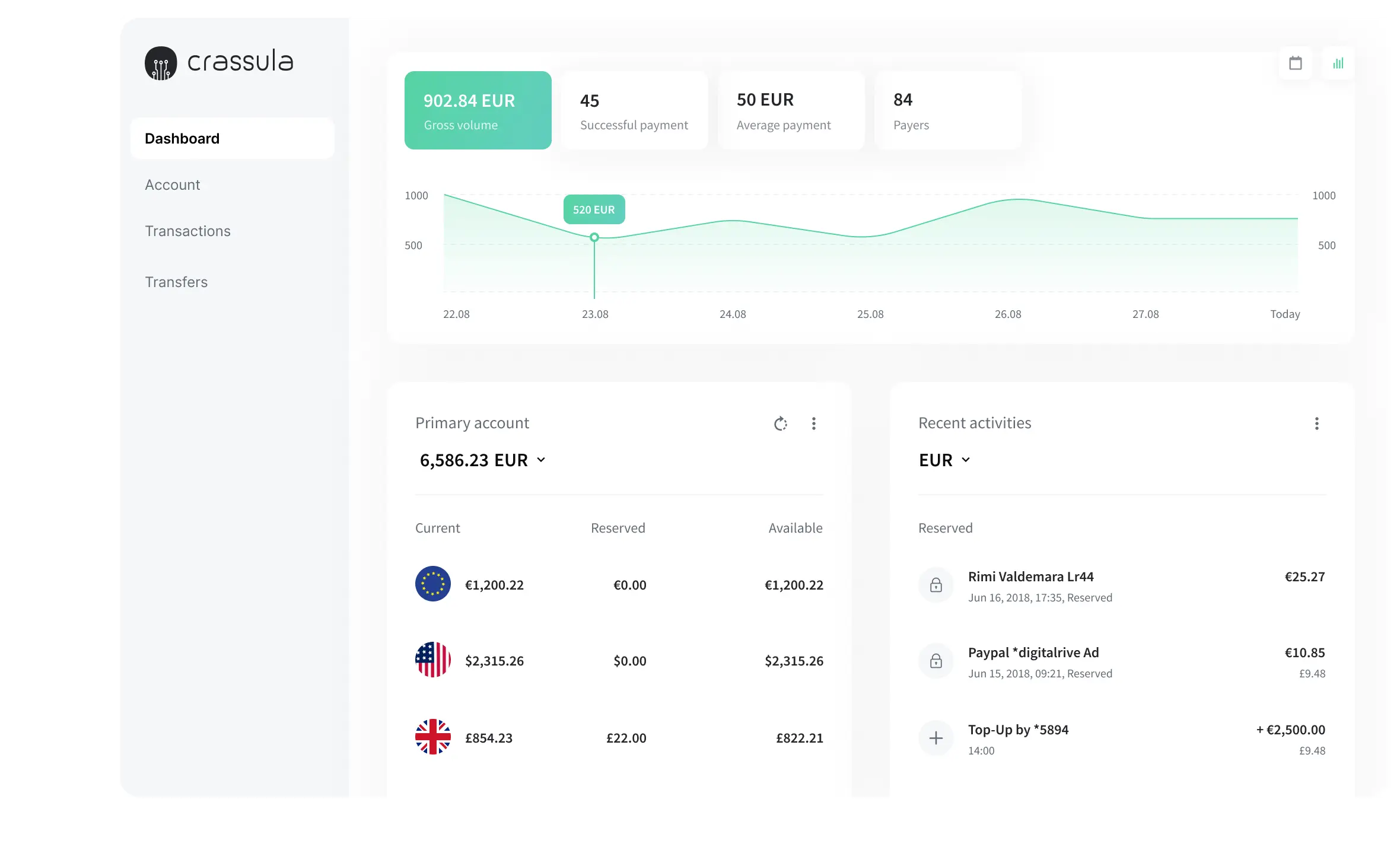
Accounts in several currencies with exchange at rates set in your price lists, available in both phases because the ledger and pricing stay on the same platform.
Company onboarding with its own questionnaire, several users per account and batch payments. Business clients need the same migration consent as consumers, signed by an authorised person.
Each requirement, what the platform gives you for it and who owns it after launch.
Configurable terms, notices and app copy per phase, so customers see the partner's name before the switch and yours after it.
You and your lawyersIn-app notices and an onboarding questionnaire step that records each customer's answer with a timestamp in their client record.
You, with the partner's agreementExisting identity data and documents in the client record, plus fresh checks through your connected verification provider where your MLRO wants them.
Your MLROClient-level balances on the ledger, exported at the cut-off date so both firms can reconcile what leaves one safeguarding account and lands in the other.
Your finance team and the partnerNew accounts and virtual IBANs opened through your own account provider, with the old and new details shown side by side in the app during the changeover.
You and your banking partnerCard issuing through the API with the issuer you contract directly, so new cards can be ordered for migrated customers and old ones frozen on a date you choose.
You and your card issuerClient records and transaction history stay in the platform you use in both phases. Who controls which data, and on what legal basis it moves, is set in your contract with the partner.
Your DPO and the partnerTechnical input for your migration plan: dates, customer counts, account and card changes, fall-back steps.
You and the partner, each to its own regulator
Rails your customers can use

For the UK route: a clearing bank that offers newly authorised EMIs safeguarding accounts, virtual accounts and direct Faster Payments, Bacs and CHAPS access.
For the UK route: an FCA-authorised EMI (FRN 900684) that gives regulated firms GBP and EUR accounts and named virtual IBANs.
Rules that change what you have to build, in the order they apply.
DORA applies to EU EMIs. Your own application must show an ICT risk framework and list your technology providers, the platform included.
CASS 15 took effect in the UK. If you migrate to an FCA licence, daily safeguarding reconciliation starts on the day the first customer balance moves.
EMIs in the euro area must be able to send and receive SEPA Instant payments. Plan your EU rails with this date in mind.
The EU Anti-Money Laundering Regulation applies. A migration that ends after this date should run its KYC refresh to the new rules.
A regulator assessing a firm that already trades under a partner will ask two questions: what runs the business today, and how customers will move. We help you answer the technical side of both.
A configured environment to show the regulator, not slides. Often it is the same product your customers already use.
IT systems, outsourcing, security, business continuity and, for EU regulators, the ICT risk and DORA sections, plus the technical steps of your migration plan.
For the UK, safeguarding and rails through partners including ClearBank and Clear Junction. For the EU, banking, safeguarding and KYC providers from our network, matched to your licence.
Crassula provides technology and documentation support. We do not provide legal or regulatory advice and cannot guarantee the outcome of an application.

A Berlin team launches a spending account for nurses as the agent of an EMI that already holds a licence. Within a year they have 40,000 customers and file their own EMI application, naming Crassula as their technology provider and attaching a migration plan to the file.
After authorisation they open their own safeguarding account and connect it to the platform. New sign-ups go straight to the new licence. Existing customers get an in-app notice, accept the new terms with their passcode, and move in weekly batches. On each cut-off date the partner redeems the balances, the money lands in the new safeguarding account and new cards are ordered. Customers who do not respond stay with the partner until their account is closed under the partner's notice terms.
For the licence itself, read our EMI guide or, for the UK, the UK EMI guide and the guide to UK agent registration.