
Multipass is a financial services provider offering global business accounts, multi-currency payments, and cross-border transaction solutions.
Read case study
UK and EU · EMI
When your EMI sits behind a marketplace's wallets or a SaaS company's business accounts, the regulator sees one firm: yours. Each client brand is your programme, its end users are your customers, and anything its staff do as your agent or distributor counts as done by you.

Multipass is a financial services provider offering global business accounts, multi-currency payments, and cross-border transaction solutions.
Read case study

Paysend & Crassula - a banking solution for international companies
Read case study

LuxPay is at the forefront of providing advanced financial services, designed to meet the needs of modern businesses and consumers alike.
Read case study

Wickie offers secure and scalable fiat and cryptocurrency payment solutions, providing users with digital wallets and seamless financial services across multiple platforms.
Read case study
Several brands run on one installation. Each platform client gets its own branded web and mobile apps, or only the API if it already has a front end, while you keep a single view of every programme.
Multi-currency accounts and virtual IBANs for each seller, landlord or business customer, opened by API and held as named balances within your safeguarded funds.
Batch transfers from a file or templates, with a second user approving before money goes out, so a marketplace can pay its sellers or couriers on a schedule.


Fees and FX margins in price lists by client group, so one platform client can charge its users differently from another without separate builds.
Virtual and physical Visa or Mastercard cards issued through pre-integrated issuers. You sign with the issuer, and card economics are part of that agreement.
Accounts, transfers, cards and KYC through one REST API, so a platform client with its own developers can keep its front end and use your licence underneath.
Each requirement, what the platform gives you for it and who owns it after launch.
Each platform client runs as its own programme on the platform, so you can show the regulator exactly which client operates which product and where its users sit.
YouBack-office roles for each client's staff, every action tied to a named user in the audit trail, and transaction data per programme for your oversight reports.
Your compliance functionLegal documents, notices and app copy set per programme, so each brand shows your EMI as the provider.
You and your lawyersAn end-of-day balance for every end user, grouped by programme, exported for reconciliation against your safeguarding accounts.
Your finance team, on platform dataCompany onboarding with directors and beneficial owners for the platform client, onboarding questionnaires by client type and identity checks through connected providers for its users.
Your MLROTransactions from all programmes in one back office, with screening and monitoring run through connected providers and controls you operate.
Your MLROTechnical documentation of hosting, access roles, backups, incident handling and sub-providers for your register of ICT arrangements or important business services mapping.
Crassula drafts, you adoptExports of every end user's balance and history in the departing programme, and the ability to freeze or close its accounts on a date you choose.
You
Rails your customers can use

For UK EMIs: virtual accounts created by API under your own name and sort code for each end customer, GBP client funds held at the Bank of England, and indirect access to Faster Payments, Bacs and CHAPS.
Rules that change what you have to build, in the order they apply.
EMIs in the euro area must offer Verification of Payee on credit transfers, including transfers started from a platform client's app.
CASS 15 applies to UK EMIs: daily safeguarding reconciliation, a monthly safeguarding return and a resolution pack that explains how funds move, agents and distributors included.
EMIs in the euro area must be able to send and receive SEPA Instant payments for the end users of every programme.
The EU Anti-Money Laundering Regulation applies, with one rulebook for customer due diligence on platform clients and their users.
Whether you apply for a new licence or add agents to an existing one, the regulator will ask how you see and control what each platform client does. We give you a working platform and the technical write-up, while your lawyers handle the agency agreements and the filing.
A configured environment with more than one programme, to show the regulator how you oversee each client, not slides.
Programme structure, data flows, access roles, safeguarding data, ICT and outsourcing sections, written for your FCA or EU regulator file.
For the UK, safeguarding and virtual accounts through ClearBank. For the EU, banking, card and KYC providers from our network, matched to your licence.
Crassula provides technology and documentation support. We do not provide legal or regulatory advice and cannot guarantee the outcome of an application.
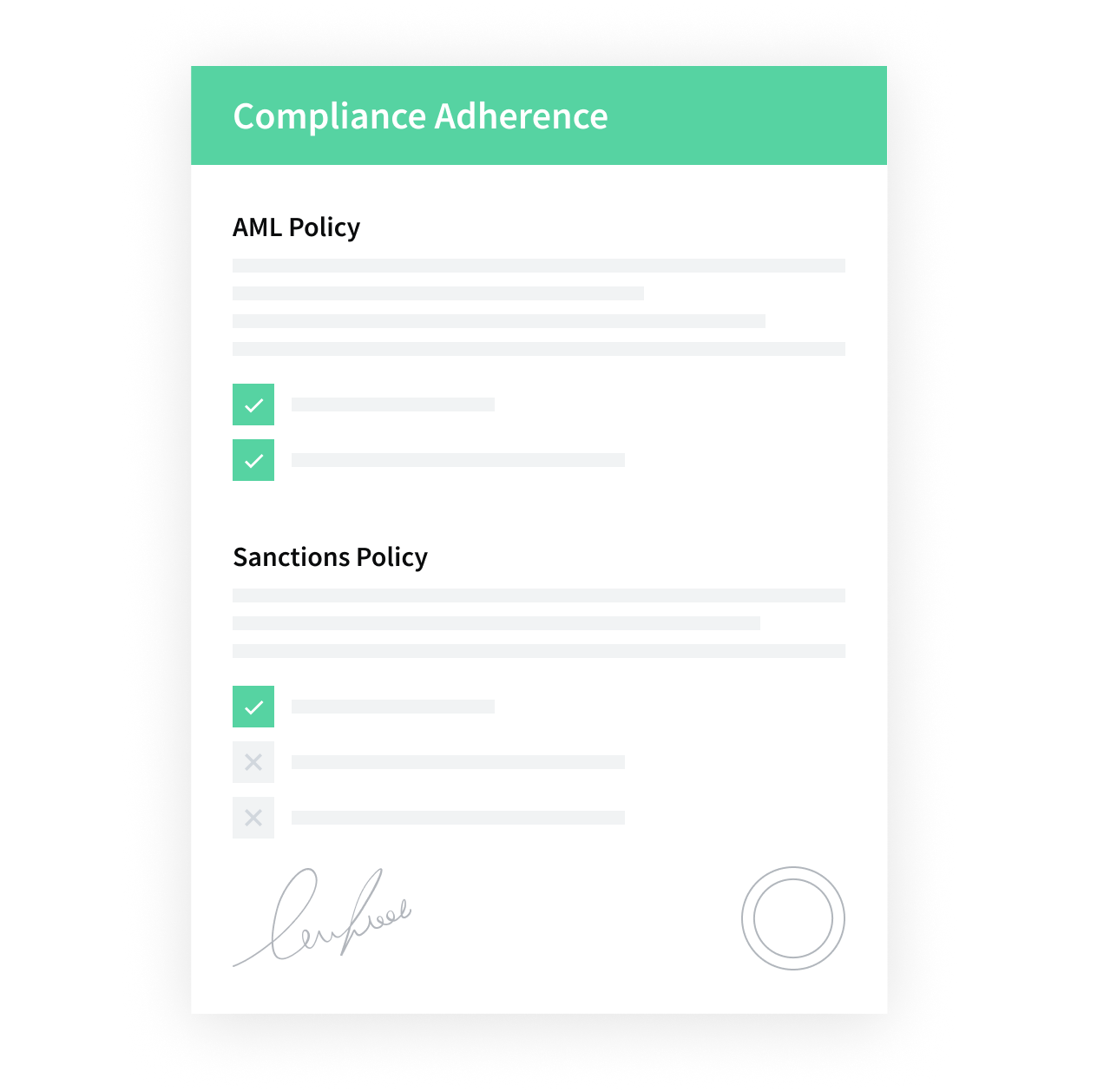
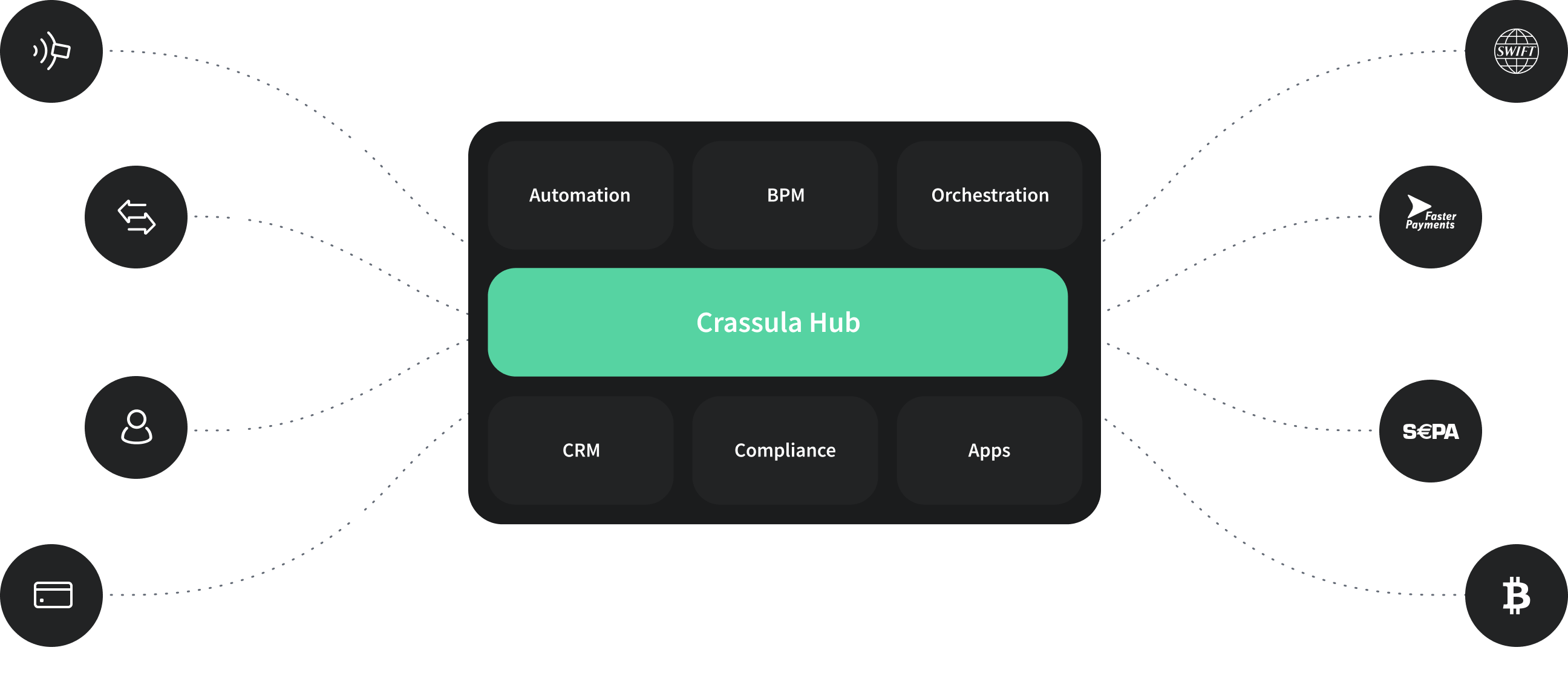
Take a London EMI with its own consumer app that signs two platform clients: a marketplace for tradespeople that wants to hold job payments and pay out on completion, and a booking software firm that wants business accounts for the gyms it serves. Its lawyers decide that the marketplace must be registered as an EMD agent, because its staff will handle payment instructions, while the software firm only shows the EMI's product in its own brand.
We set up both as separate programmes, each with its own app, price list and limits. Every tradesperson and every gym gets a named balance and a virtual account, and the finance team reconciles all programmes against the safeguarding accounts each morning. The compliance team reviews each client's activity in the same back office and keeps the evidence of oversight the FCA asks for.
For the regulatory background, read our guide to UK agent registration, the EMI licence guide and our article on banking as a service.