
Multipass is a financial services provider offering global business accounts, multi-currency payments, and cross-border transaction solutions.
Read case study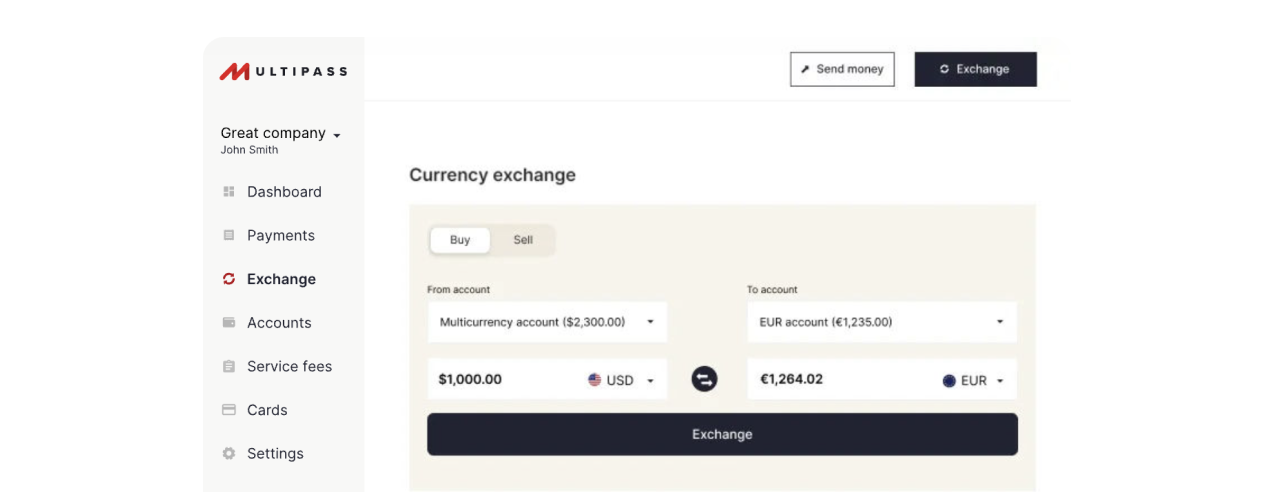
Canada · MSB
A virtual currency dealer in Canada answers to FINTRAC for every coin it exchanges or sends, and to the provincial securities regulators as soon as clients leave crypto on its books. The platform keeps the records the first regulator asks for and helps you see where the second one starts.
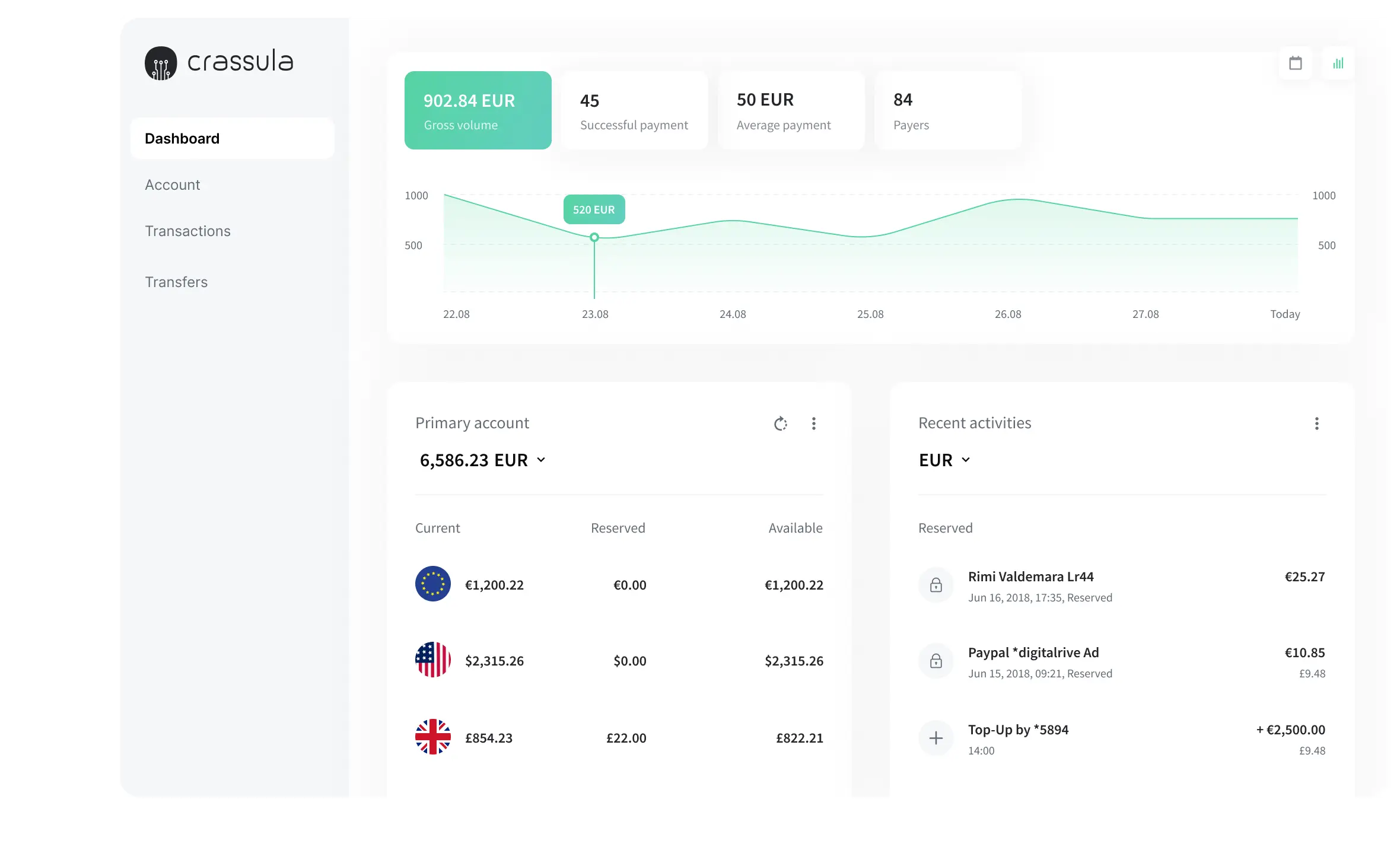

Multipass is a financial services provider offering global business accounts, multi-currency payments, and cross-border transaction solutions.
Read case study

Paysend & Crassula - a banking solution for international companies
Read case study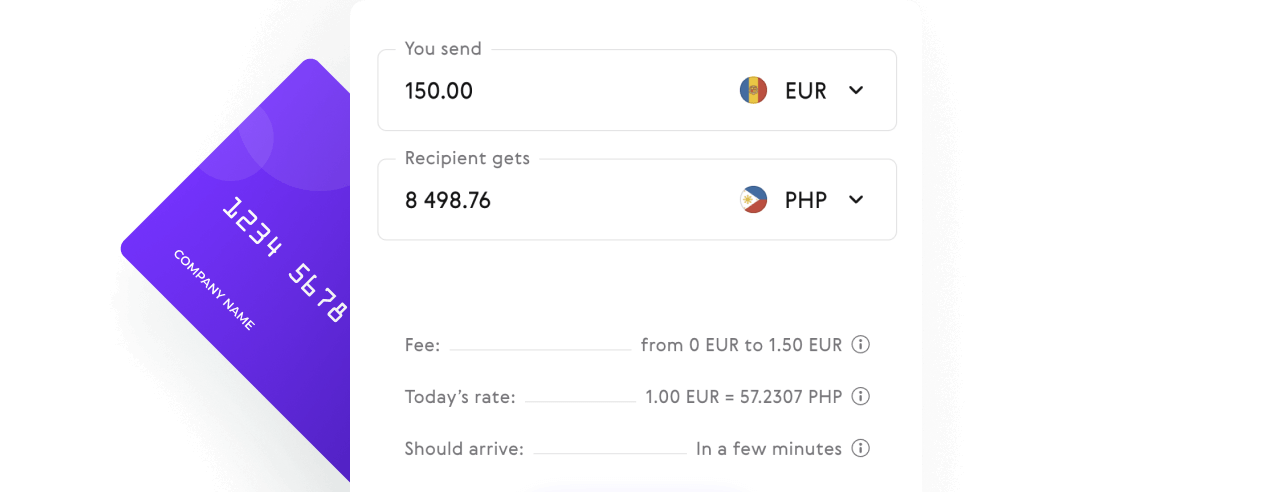

LuxPay is at the forefront of providing advanced financial services, designed to meet the needs of modern businesses and consumers alike.
Read case study

Wickie offers secure and scalable fiat and cryptocurrency payment solutions, providing users with digital wallets and seamless financial services across multiple platforms.
Read case study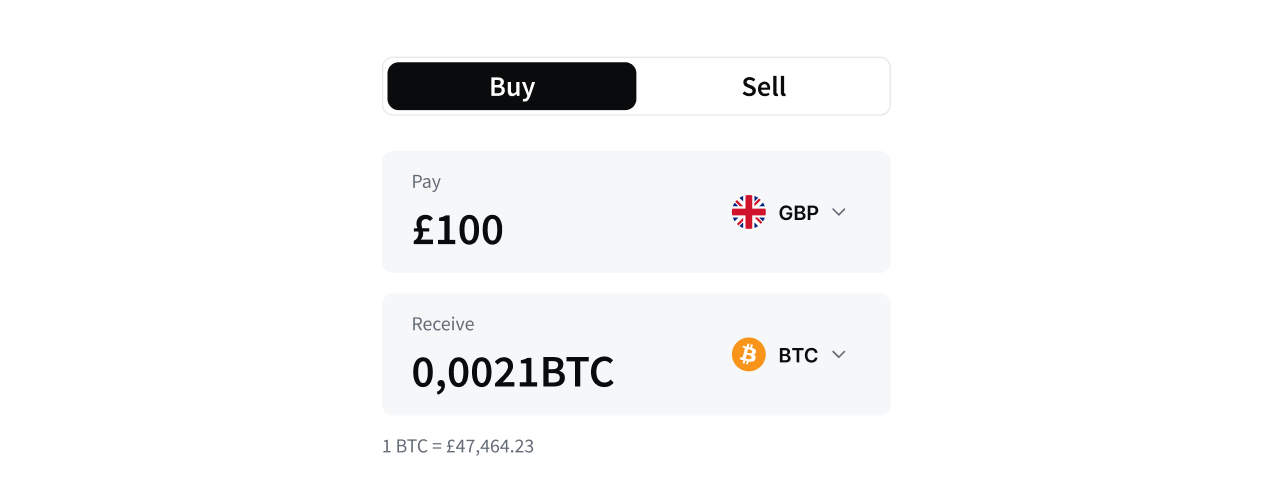
Clients buy, sell and swap with liquidity from a connected provider and see the rate and the fee before they confirm. Each trade is stored with the client, both amounts, the rate and the time.
Crypto bought on the platform can be sent on-chain to an address the client controls. Whether delivery counts as immediate under securities law depends on your terms and how you settle, so set this up with your lawyers.
Each client gets crypto accounts with their own deposit address and QR code. The keys sit with the custody provider you contract, never with Crassula.


CAD and other currency balances beside the crypto, funded and paid out through your banking partner, so clients can cash out without a second app.
Visa or Mastercard cards that spend crypto-linked balances, with conversion to fiat at the point of sale. You sign directly with the card issuer.
Each requirement, what the platform gives you for it and who owns it after launch.
Every crypto deposit and trade is posted with a timestamp and its CAD value at the rate you set, and exports per client let you group receipts over any 24-hour window.
You file with FINTRAC, on platform dataThe rate used for each trade and each valuation is written to the transaction record, so the figure in a report can be traced back to its source.
Your compliance officerEach buy, sell and swap keeps the client, the currencies and amounts, the rate, the fee and the time. Identity checks with document scanning and liveness run at onboarding through a connected provider.
CrassulaThe data is collected before an on-chain withdrawal is created and exchanged through a connected Travel Rule provider.
You, with your Travel Rule providerYour staff can see each incoming transfer in the back office and freeze the client's account while the information is chased.
Your compliance officerTransaction monitoring, risk scoring and on-chain analytics run through connected providers, and your team sees the reasons behind each flag. The decision to report is yours.
Your compliance officerTransfer records with addresses, amounts and parties stay retrievable for the full retention period, together with the audit trail of staff actions.
SharedClient holdings and company holdings sit on separate ledger accounts, with exports your team reconciles against the custodian's statements.
You, with your custodian
Rails your customers can use
Rules that change what you have to build, in the order they apply.
The CSA stopped accepting new pre-registration undertakings and ended time-limited restricted dealer registration for new entrants. New crypto trading platforms apply to CIRO.
FINTRAC imposed a penalty of CAD 176,960,190 on Xeltox Enterprises (Cryptomus), largely for unreported large virtual currency transactions and suspicious transactions. The firm has appealed.
Bill C-15 received Royal Assent with the federal Stablecoin Act. Issuers of fiat-backed stablecoins will register with the Bank of Canada once its provisions are brought into force.
The Stablecoin Act framework is expected to come into force once the Department of Finance has finished the regulations. Until then, stablecoins on trading platforms follow the CSA's interim approach.
FINTRAC will ask how you identify clients, value crypto and keep records, and a securities regulator may ask who holds the coins. We give you a live platform and the technical write-up, while your lawyers and compliance officer handle the filings.
A configured environment to show the regulator, not slides.
How trades, deposits and withdrawals are recorded, where client data is stored, which providers handle custody, liquidity and travel rule messaging, and how incidents are handled.
Banking, custody and KYC providers from our network, matched to your registration.
Crassula provides technology and documentation support. We do not provide legal or regulatory advice and cannot guarantee the outcome of an application.

Picture a team in Vancouver that wants to sell bitcoin and ether to Canadians and send the coins straight to each buyer's own wallet. They register with FINTRAC as an MSB dealing in virtual currency and ask their lawyers to confirm that this model stays outside securities law.
We launch the app in their brand with a connected liquidity provider and a custody provider for the short time coins sit with the business. Every trade is stored as an exchange record, and every withdrawal carries the buyer's name, address and wallet details before it leaves. Each week the compliance officer runs the export of receipts that reach CAD 10,000 within 24 hours and files the reports.
A year later the team wants clients to keep crypto in the app. That is a different business under securities law, so the same platform becomes part of an application to CIRO.
For the registration itself, read our guide to MSB registration in Canada and our article on what crypto banking is.