
Multipass is a financial services provider offering global business accounts, multi-currency payments, and cross-border transaction solutions.
Read case study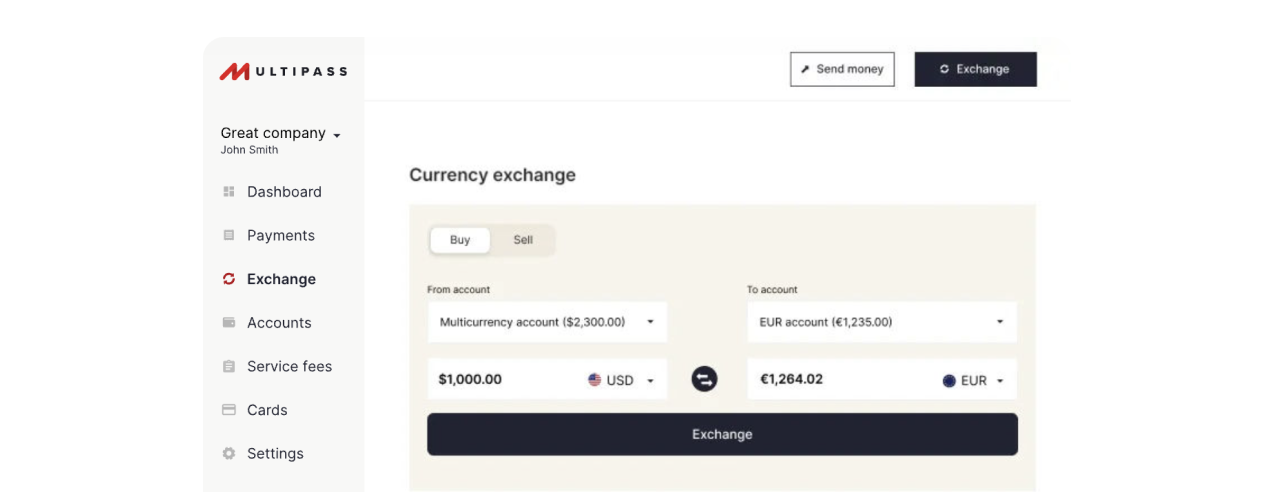
Spain · EMI (entidad de dinero electrónico)
A customer in Spain measures your app against their bank's, Bizum included. Launch apps in your brand, accounts, cards and instant transfers on a platform you can show the Banco de España while it reviews your application.

Multipass is a financial services provider offering global business accounts, multi-currency payments, and cross-border transaction solutions.
Read case study

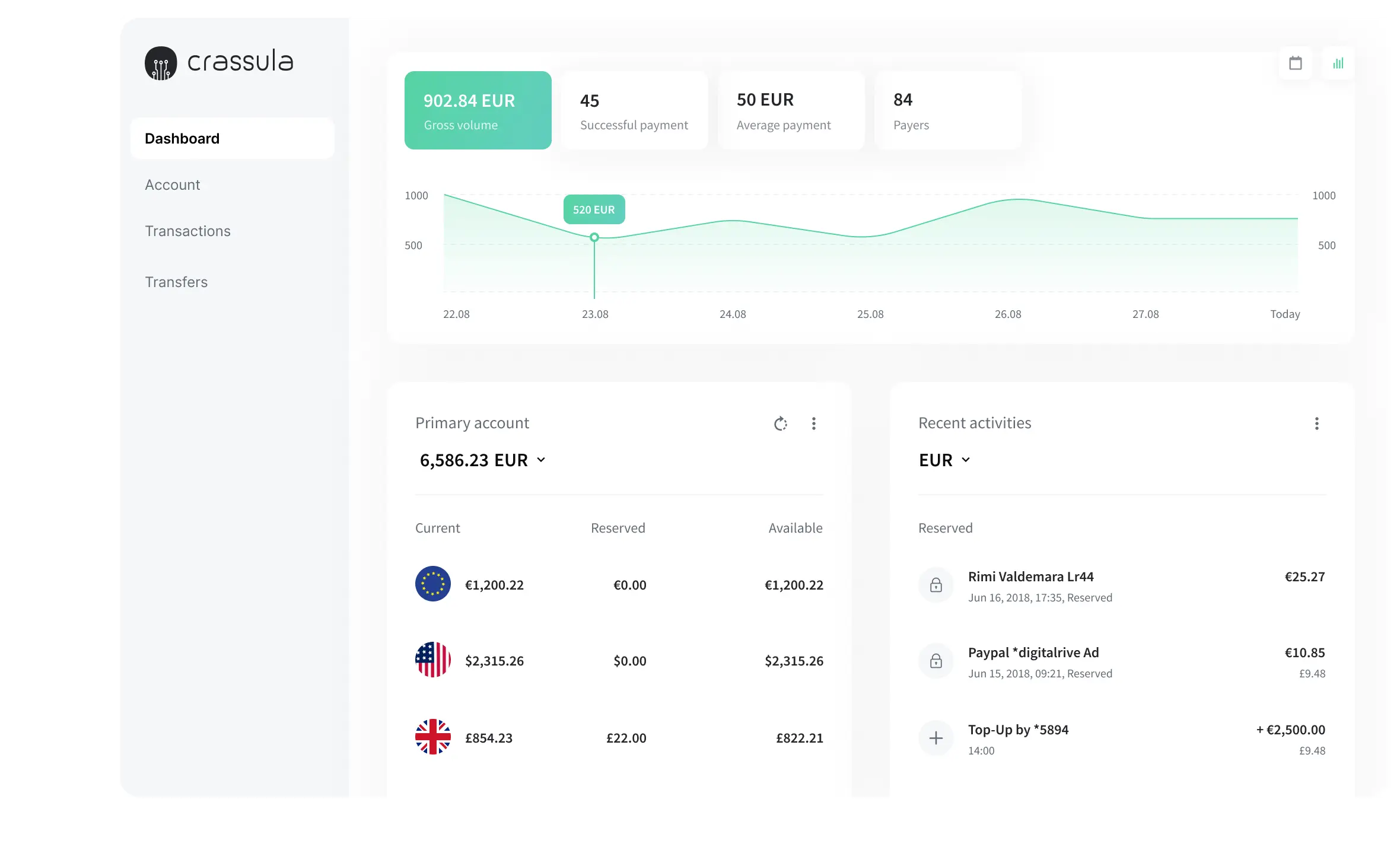
Paysend & Crassula - a banking solution for international companies
Read case study

LuxPay is at the forefront of providing advanced financial services, designed to meet the needs of modern businesses and consumers alike.
Read case study

Wickie offers secure and scalable fiat and cryptocurrency payment solutions, providing users with digital wallets and seamless financial services across multiple platforms.
Read case study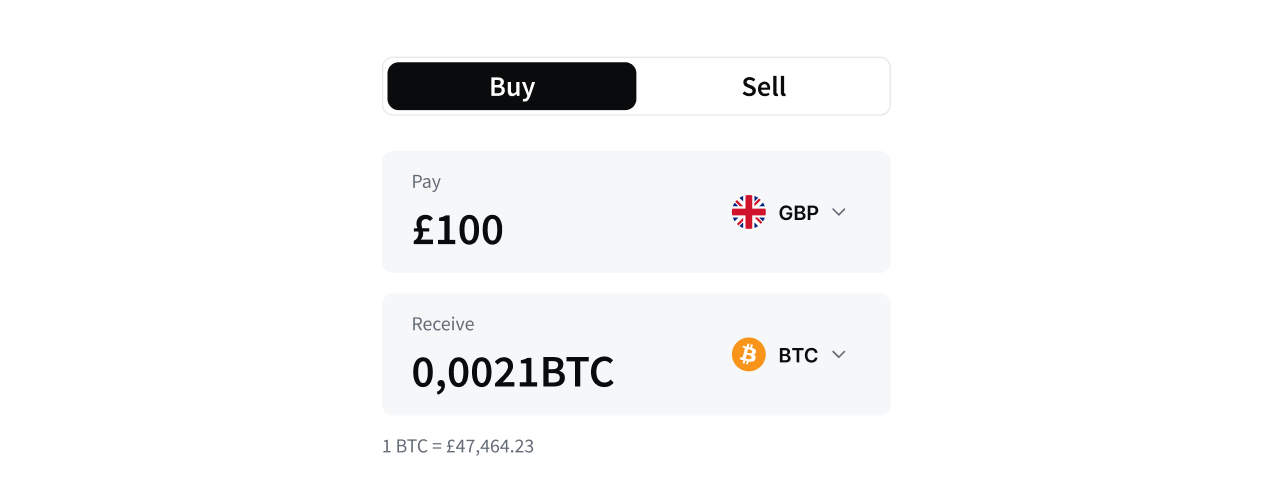
Sign-up from the phone, an IBAN, direct debits for household bills and SEPA transfers. The balance is e-money, and the contract says so.
A virtual card at sign-up and a plastic one when the customer asks, with limits, freezes and PIN in the app. Your institution signs the contract with the issuer.
SEPA Instant from the app, with the name and IBAN that Verification of Payee needs before sending.


Vaults to put money aside without interest, push notifications for every charge and a history the customer can search and export.
Onboarding for autónomos and companies, several users with permissions, batch payments with approval and saved counterparties for suppliers.
PSD2 consents so customers can connect aggregators and invoicing software to their account.
Each requirement, what the platform gives you for it and who owns it after launch.
E-money balance per customer and issue date, so you can check that funds received through a payment instrument, such as a card top-up, are safeguarded no later than five business days after issue.
Your finance team, on platform dataArchitecture, hosting, two-factor login, roles, audit trail and recovery plan, written up for your application.
Crassula drafts, you sign offOnboarding questionnaires per customer type, identity checks through connected providers and per-customer limits. Analysis and reports to SEPBLAC stay with you.
Your internal control bodyTwo-factor login and payment confirmation on web, iOS and Android.
CrassulaService description, subcontractors, audit and access rights and an exit plan.
You, with our inputInterface, notifications and in-app documents in Spanish, with your own terms and fees loaded.
You, with your lawyersReporting endpoints and exports of balances, transactions and customers as the data source. You prepare and submit the returns.
You, on platform data
Rails your customers can use
Rules that change what you have to build, in the order they apply.
DORA applies to e-money institutions: an ICT risk framework, reporting of major incidents and a register of ICT providers.
Every euro area EMI offers Verification of Payee on all credit transfers, free of charge to the payer.
Euro area EMIs must be able to send and receive SEPA instant payments.
The EU AMLR applies, adding EU-wide due diligence rules on top of Law 10/2010.
The Banco de España decides after a report from SEPBLAC, and if no decision arrives in time the application counts as refused. A solid technical file and a working platform cut down the back and forth, and we prepare that part with you.
A configured environment to show the regulator, not slides.
Systems, security, outsourcing, ICT risk under DORA and business continuity sections of your Banco de España file.
Banking, safeguarding and KYC providers from our network, matched to your licence.
Crassula provides technology and documentation support. We do not provide legal or regulatory advice and cannot guarantee the outcome of an application.

A team in Valencia wants to launch an account for gig workers who get paid weekly. Before filing through the Banco de España's online office, we set up an environment in its brand: Spanish onboarding, a virtual card, vaults and an alert for every payment received.
While the Banco de España and SEPBLAC review the file, the team connects its safeguarding bank and card issuer and tests the five-business-day control for card top-ups on dummy data. Once authorised and entered in the register, the same platform opens to the first customers.
For the regulatory side, read our Spain EMI and PI guide and the overview of e-money institutions in the EU.