
White-Label Digital Wallet in 2026: The Complete Guide
A 2026 deep dive into white-label digital wallets: closed-loop, semi-closed and open-loop types, IBAN and card features, EMI licensing, PSD2 SCA, MiCA, the EU Digital Identity Wallet, vendor landscape and how to launch a branded e-wallet in weeks.
What is a white-label digital wallet?
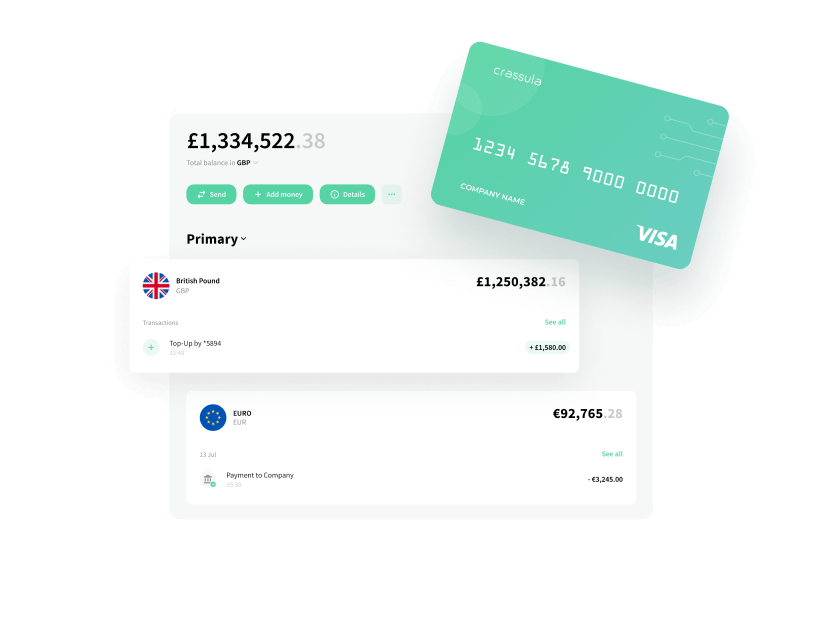
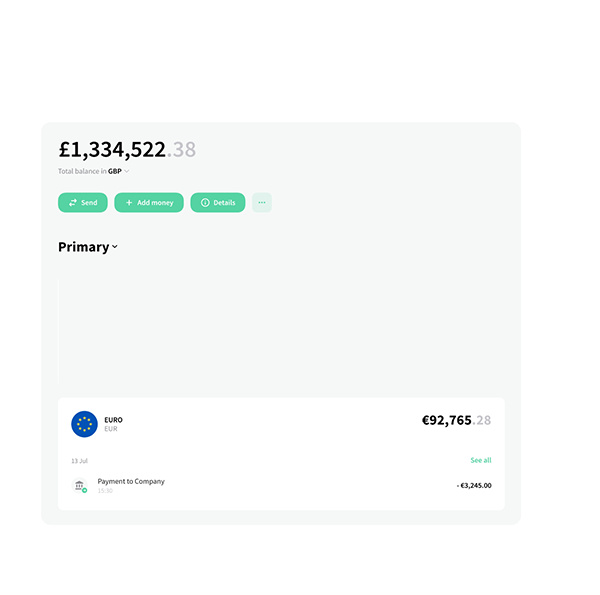
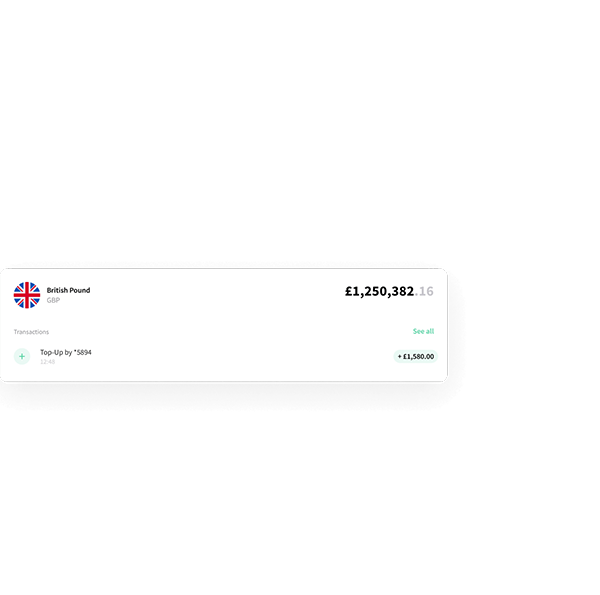
A white-label digital wallet is a branded fiat e-wallet that a bank, PSP, retailer or fintech ships under its own logo while a vendor like Crassula runs the underlying platform. End users get a mobile-first account with a balance, cards, P2P transfers, QR payments, top-ups and NFC. The operator gets a production-grade wallet in weeks instead of a two-year build from scratch.
A digital wallet is not the same as a crypto wallet. A digital wallet sits on regulated fiat rails (SEPA, SEPA Instant, card networks, Faster Payments, FedNow) and is usually backed by an EMI, a bank or a sponsor. A crypto wallet holds private keys to on-chain assets. Modern white-label platforms can run both sides of that stack inside one app, but the regulatory stories are different.
Branded UX
Your logo, colours, onboarding flow and app store listing. Users never see the vendor.
Modular stack
Ledger, KYC, card issuing, IBAN, payments, risk and admin console available as building blocks.
Licensed rails
Plug into your EMI or a sponsor. The platform stays the same as licensing evolves.
Juniper Research projects that by the end of 2026 more than 5.2 billion people will use a digital wallet, up from 3.4 billion in 2022. The market is huge, and the fastest path in is white-label.
Let's discuss your project and see how we can launch your digital banking product together
Request demoClosed, semi-closed and open-loop wallets
Three structural categories decide what a wallet can do, who regulates it and how the money flows. Picking the wrong one is the most common mistake in year one of a wallet project.
| Type | What it does | Typical licensing | Examples |
|---|---|---|---|
| Closed-loop | Stored value usable only inside one merchant ecosystem. Gift cards, fuel cards, in-app balance. | Often outside PSD2 scope in the EU (limited network exemption); US gift card rules apply. | Starbucks, Amazon gift balance, transit cards. |
| Semi-closed | Stored value usable across a network of accepting merchants, plus P2P. Cash-out usually restricted. | EMI licence or agent in the EU; Prepaid Access rules in the US. | PayPal, Venmo, Cash App, Paytm, GCash. |
| Open-loop | Full network acceptance via card rails or bank transfers. Works anywhere Visa, Mastercard or SEPA does. | Bank or EMI licence with card issuing or tokenization rights. | Apple Pay, Google Pay, Revolut, Wise, N26. |
A retail chain usually starts closed-loop, a marketplace goes semi-closed, and a fintech that wants to compete with neobanks goes straight to open-loop with its own IBAN and card program. Crassula builds the open-loop model, together with the P2P layer semi-closed wallets rely on.
Core features users expect in 2026
In 2026 the baseline for a competitive digital wallet is far wider than a balance and a top-up button. Miss any of these features and your conversion funnel leaks.
IBAN and balance
A named IBAN (individual or shared BIC), multi-currency balances, statements and interest where allowed.
Virtual and physical cards
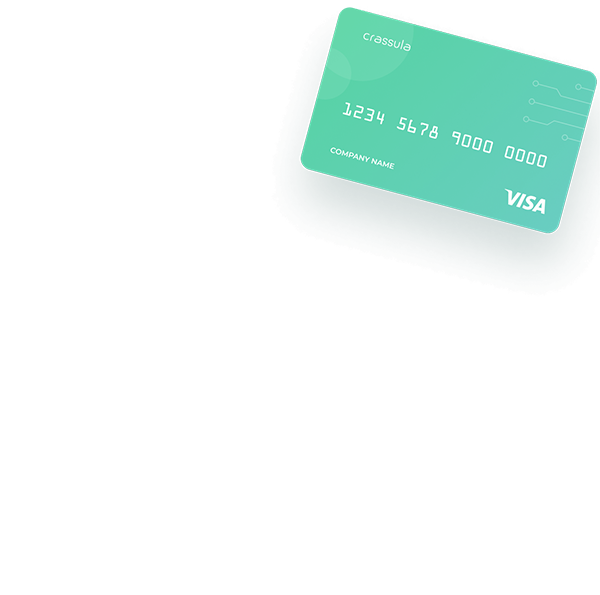
Instant virtual card on signup, physical card on request, freeze, limits, 3-D Secure, disposable numbers.
P2P and payment links
Send by phone number or username, request money, shareable payment links, split bills.
QR and NFC
EMVCo merchant QR, in-store NFC tap, SEPA QR and regional schemes like EPI Wero.
Apple and Google Pay tokens
Push provisioning so users add the card to Apple Wallet or Google Wallet in one tap.
Top-up and payout
Card top-up, bank transfer, SEPA Instant, Open Banking pay-in, payroll direct deposit.
The winners in 2026 also ship FX, a savings vault, goals, family sub-accounts, merchant offers and an AI assistant. None of that matters if the core eight above are not rock solid.
Regulation: EMI, PSD2 SCA, MiCA and EUDI
A wallet is a regulated product. By 2026 four frameworks define most of the work.
- EMI licence in the EU. An Electronic Money Institution authorisation under the E-Money Directive lets you hold client funds and issue e-money. Minimum capital is 350,000 euros plus ongoing own funds and safeguarding of client money in segregated accounts. Lithuania, Ireland, France and the Netherlands are the most common jurisdictions.
- PSD2 SCA, then PSD3 and PSR. Strong Customer Authentication already applies to card and online payments. PSD3 and the Payment Services Regulation, politically agreed in 2024, phase in across 2026 and 2027 with tighter fraud rules, an extended open-finance perimeter and stricter agent oversight.
- MiCA for crypto-fiat hybrid wallets. If your wallet holds stablecoins, crypto balances or offers on-chain earn, the Markets in Crypto-Assets Regulation has been in force since December 2024 and requires a CASP authorisation on top of your EMI.
- EU Digital Identity Wallet (EUDI). Under eIDAS 2, every EU member state must offer an EUDI Wallet to citizens by end of 2026. It stores identity, driving licences, diplomas and payment credentials. Private wallets will be expected to integrate with EUDI for KYC, SCA and age verification, turning identity into a reusable asset.
The practical takeaway for 2026 founders: budget for compliance as a product surface, not a legal afterthought. A white-label platform that already has EMI integrations, PSD2 SCA flows, MiCA-ready crypto modules and an EUDI roadmap saves six to twelve months of regulatory engineering.
The 2026 wallet market in numbers
Three flavours of demand dominate 2026: super-apps bundling payments, messaging and commerce (Asia-led, now copied in LatAm and the Gulf), EU identity-linked wallets around the EUDI rollout, and vertical wallets for payroll, loyalty and remittance. All three benefit from a white-label platform because none of them want to spend two years building a ledger.
Use cases that make money
The wallet projects that pay back in year one tend to cluster around the same six archetypes. Pick one, ship it well, then expand.
Payroll and earned wage access
Employers pay workers into a branded wallet, with same-day payout and a card. Gig platforms use it for daily driver payouts.
Loyalty and closed-loop
Retailers convert gift card balance into a mobile wallet with offers, cashback, store credit and stored payment methods.
Remittance wallets
Diaspora-focused wallets with multi-currency balances, cheap FX and cash pickup partners in receiving countries.
Super-apps
Ride-hailing, delivery or commerce apps adding a wallet for in-app payments, tipping and merchant payouts.
Family and teen wallets
Parent-controlled sub-accounts, allowance, spending limits, educational nudges, linked to the main family account.
SME and freelancer wallets
Business IBAN, expense cards, invoicing, VAT accounting, connected to accounting tools such as Xero and QuickBooks.
The white-label vendor landscape
The 2026 market is crowded but segmented. Most buyers short-list three to five vendors and pick on regulatory fit, feature depth and integration effort.
Crassula
End-to-end white-label digital banking and wallet platform. IBAN, card program, KYC, ledger, P2P, QR, Apple and Google Pay, crypto module. Launch in 6 to 12 weeks on your EMI or a partner.
Ondato
Identity-first stack: KYC, KYB, AML screening, ongoing monitoring. Often paired with a wallet platform rather than used on its own.
Paysend
Remittance and card-to-card transfer focus, with embedded wallet and card issuing APIs for partners.
G+D Currency Technology
Enterprise and CBDC-grade tech for central banks and large issuers. Heavy on security, tokenization and Filia CBDC wallets.
Tutuka (Paymentology)
Global card-issuer processor with wallet and program management; strong in emerging markets and telco partners.
Verimi
German identity wallet with EUDI ambitions; typically integrated into banking apps for reusable KYC and authentication.
Most real deployments combine a wallet platform (like Crassula) with an identity vendor (Ondato or Verimi) and a card processor (Tutuka, Marqeta or Thredd). The winners wire them together in one user journey.
Go-to-market: from idea to live wallet
A disciplined wallet launch follows five phases. Teams that skip the first one pay for it in phase four.
- Position and unit economics. Nail the target segment, acceptance reach, revenue model (interchange, FX, subscription, float, merchant fees) and one-year CAC payback. Without this, the product becomes a pile of features.
- Regulatory route. Decide between owning an EMI, partnering with one, or starting closed-loop. Plan safeguarding, AML policies, transaction monitoring and SCA rules.
- Platform selection. Run a ninety-day pilot with a short-list, scoring on API coverage, KYC vendors supported, card network access, time to first transaction and total cost over three years.
- Launch scope. Ship the MVP with onboarding, top-up, card, P2P and QR. Nothing more. Polish conversion and support before adding FX, savings or crypto.
- Growth and compliance operations. From month one, wire ongoing KYC refresh, dispute handling, fraud monitoring, regulatory reporting and app store performance. Compliance ops is a product, not a cost centre.
Teams using a white-label platform like Crassula typically go from kickoff to real user transactions in ten to fourteen weeks. A from-scratch build is eighteen to thirty months and three to five times the budget.
For the complete product, see the e-wallet solution. See the crypto wallet solution and the crypto and transfers features, or read the white-label crypto wallet guide.
Where white-label wallets go next
Four directions dominate 2026 roadmaps at the leading wallet programs.
- Identity-first onboarding. The EUDI Wallet reshapes KYC. Reusable identity means onboarding in seconds with zero-knowledge proofs for age, residency and income. Wallets that integrate early win the funnel.
- Stablecoin rails. MiCA-regulated euro and dollar stablecoins settle cross-border in seconds at fractions of SWIFT cost. Hybrid fiat-crypto wallets become the default for SMEs and remitters.
- Agentic AI inside the wallet. Conversational assistants handle support, budgeting, bill payment and dispute filing. The bar is shifting from "tap to pay" to "ask to pay".
- CBDC-ready architecture. The digital euro enters preparation phase with an ECB decision window in 2026 and 2027. Wallet platforms that already support token-based money will plug straight in; the rest will retrofit under deadline.
Crassula already covers the first three on this list and is building against the EU digital euro rulebook. If you want a branded wallet that stays relevant for the next five years, talk to our team.
FAQ
A white-label digital wallet is a branded fiat e-wallet app that a bank, retailer or fintech ships under its own brand, running on top of a third-party platform. End users get a balance, cards, P2P, QR, top-ups and payouts. The vendor runs the ledger, KYC, card program and compliance tooling.
A digital wallet holds fiat money on regulated rails (SEPA, card networks, FedNow) and is backed by a bank or EMI. A crypto wallet holds private keys to blockchain assets. Modern platforms can combine both inside one branded app, but licensing is different: EMI for the fiat side, CASP under MiCA for the crypto side in the EU.
Closed-loop wallets spend only inside one merchant (Starbucks, transit cards). Semi-closed wallets work across a network but usually restrict cash-out (PayPal, Venmo, Cash App). Open-loop wallets spend anywhere card or bank rails reach (Apple Pay, Google Pay, Revolut). The structure drives your licence and cost.
Most branded wallets run on an Electronic Money Institution (EMI) licence with 350,000 euros minimum capital and client-money safeguarding. You either own the EMI or operate as a distributor or agent of one. If you hold stablecoins or offer crypto services, you also need CASP authorisation under MiCA. PSD2 SCA applies to all electronic payments; PSD3 and PSR are phasing in through 2026 and 2027.
When a user taps "Add to Apple Wallet" or "Add to Google Wallet" in your app, your card issuer performs push provisioning: a token replaces the card number on the device, protected by the secure element and biometrics. The user can pay by NFC, in-app or online without exposing the real card. White-label platforms such as Crassula handle the issuer-side integration with Visa VTS and Mastercard MDES.
With a white-label platform, six to twelve weeks from kickoff to first live transaction is realistic for a well-scoped MVP, scaling to three to six months for multi-currency, crypto or complex compliance setups. A from-scratch build typically takes eighteen to thirty months and runs three to five times the cost.
EUDI Wallets are state-issued digital identity wallets mandated by eIDAS 2, with rollout to all EU citizens by end of 2026. They store identity, credentials and payment instruments with privacy-preserving disclosure. For private wallet operators this means reusable KYC, instant onboarding, age verification and cross-border SCA. Integrating early is a conversion and compliance win.
A digital wallet stores a user's money and payment credentials in software and lets them pay, send and receive without a physical card or cash. Under the hood it holds a balance on a ledger (often linked to an IBAN or e-money account), tokenizes any linked cards so the real number is never exposed, and connects to payment rails for top-ups, transfers and withdrawals. To pay, the wallet either presents a tokenized card over NFC, generates a QR code or payment link, or moves balance account-to-account in real time. Security sits on biometrics, device binding and Strong Customer Authentication.
The best-known consumer wallets are Apple Pay, Google Pay, PayPal, Venmo, Cash App, Alipay and WeChat Pay. Beyond those, most neobanks and many retailers, airlines and gig platforms run their own branded wallets for stored balance, payouts and loyalty. Wallets split into closed-loop (spendable only with one brand, like a store or transit card), semi-closed (a defined merchant network) and open-loop (spendable anywhere the card network is accepted). White-label platforms let any brand launch a wallet in any of these models under its own name.
Building an e-wallet from scratch - ledger, card issuing, payment rails, KYC, apps and compliance - typically runs into seven figures and eighteen to thirty months of development, plus the cost of an e-money licence or sponsor. Launching on a white-label e-wallet platform compresses that to weeks and a fraction of the cost: pricing is usually a setup fee plus monthly licence and per-transaction charges, with the heavy infrastructure, integrations and compliance already in place. The right path depends on how custom your product needs to be and how much of the stack you want to own.