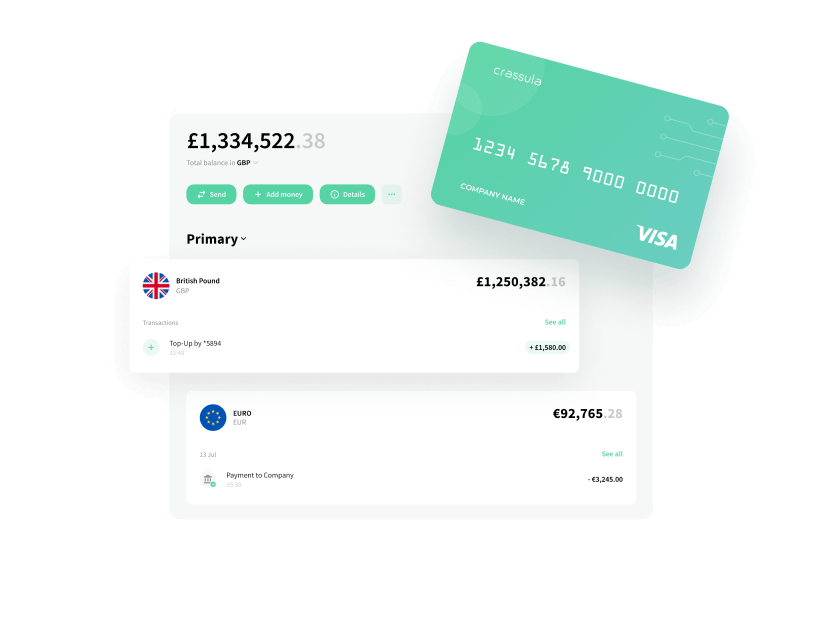

10 Best Neobanks That Are Leading the Industry in 2026
A data-backed 2026 guide to the world's leading neobanks, ranked by customers, revenue, and regional dominance. Compare Nubank, Revolut, Chime, Monzo, N26, SoFi and more across licenses, pricing, and standout features.
What is a neobank?
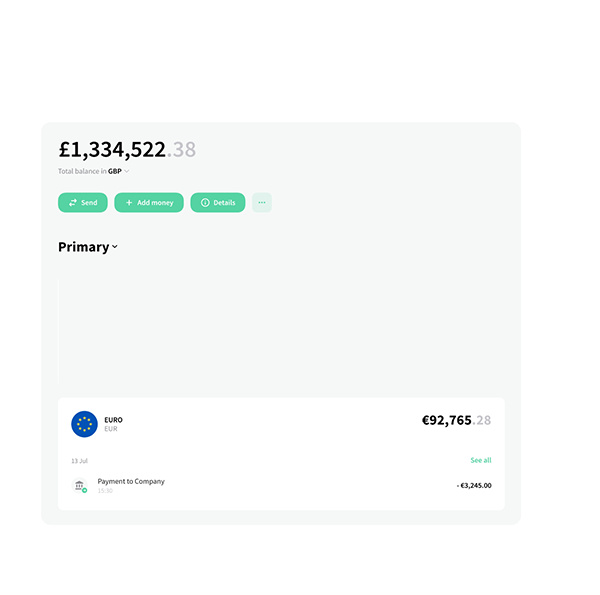
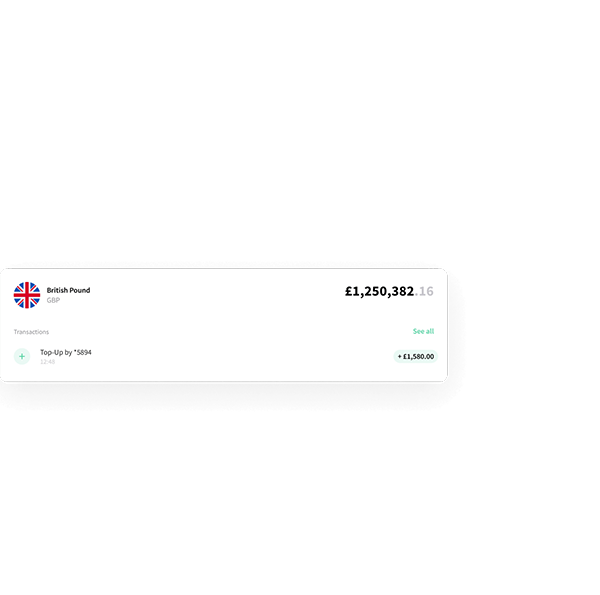
A neobank is a fully digital financial institution. It delivers banking services (checking accounts, debit cards, payments, lending, savings, FX and increasingly crypto) through mobile apps and web platforms, with no physical branches. Built on cloud-native technology stacks and modern APIs, neobanks compete with traditional banks by offering faster onboarding (often under 5 minutes), transparent pricing, and a pace of feature shipping that legacy banks cannot match.
100% digital
Zero branches. Every product (account opening, KYC, card issuance, transfers, loans) lives inside the app.
Cloud-native core
Microservice architectures let neobanks ship weekly, integrate via APIs, and scale to tens of millions of users without legacy cost drag.
Interchange-first economics
Most revenue originates from card interchange (0.2–2% of spend), premium subscriptions, FX spreads, and, for licensed players, net interest margin.
The global neobanking market crossed USD 211 billion in 2025 and is forecast to reach USD 322 billion in 2026, with the top ten players having added roughly 300 million customers over the last two years. That is no longer niche scale. Nubank alone now serves more people than the retail arm of most G20 banks.
Let's discuss your project and see how we can launch your digital banking product together
Request demoNeobank vs digital bank vs challenger bank
The three labels are often used interchangeably, but regulators and investors treat them very differently. The distinction hinges on who holds the banking license and where the technology lives.
| Attribute | Neobank | Challenger bank | Digital bank |
|---|---|---|---|
| Banking license | Usually none; operates through a sponsor bank (BaaS) | Holds its own full banking license | License inherited from parent incumbent bank |
| Physical branches | None | None or minimal | Branches exist through parent |
| Tech stack | Cloud-native, API-first, built from scratch | Cloud-native, but with regulatory core | Often a skin on top of legacy core banking |
| Deposit insurance | Via partner bank (e.g. FDIC pass-through) | Direct (e.g. FSCS, FDIC) | Direct, via parent |
| Examples | Chime, Dave, Current, Revolut (US) | Monzo, Starling, N26, Varo, Revolut (EU/UK) | Marcus (Goldman Sachs), Chase UK, Hello Bank (BNP) |
In practice, every challenger bank was once a neobank. They graduated once they secured a license. Many of the players we review below sit somewhere in between: licensed in their home market, BaaS-powered abroad. Always check which entity actually holds your deposit.
The 2026 neobank market at a glance
Three structural shifts define the 2026 landscape. First, regional consolidation: Nubank owns LatAm, Revolut owns Europe cross-border, Chime owns the US mass market. Second, the profitability divide has widened. Only about one in seven neobanks is profitable, and the gap between leaders (2B+ USD net income) and the long tail is now structural. Third, the super-app thesis has won. Every top player now bundles investing, crypto, insurance, travel and BNPL alongside core banking.
Top 10 neobanks of 2026, ranked
The ranking below blends customer count, revenue, regional leadership, and product depth. We've deliberately left out players that optimize for different jobs-to-be-done (Cash App, PayPal) to keep the list neobank-native.
| # | Neobank | HQ | Customers | License status | Standout feature |
|---|---|---|---|---|---|
| 1 | Nubank | Brazil | 125M | Full banking license (BR, MX, CO) | Largest neobank on earth |
| 2 | Revolut | UK | 65M | EU banking licence; UK licence granted 2024 | Multi-currency super-app |
| 3 | Chime | USA | 22M | BaaS via The Bancorp Bank & Stride Bank | Early direct deposit, SpotMe overdraft |
| 4 | Monzo | UK | 12M | Full UK banking licence | Budgeting pots, community-led growth |
| 5 | SoFi | USA | 10M+ | Full US national bank charter (2022) | Lending-first super-app, high APY |
| 6 | Starling | UK | 4M | Full UK banking licence | Most profitable UK challenger, SME strength |
| 7 | N26 | Germany | 5M active | Full German banking licence (BaFin) | Eurozone-wide IBANs, clean UX |
| 8 | Bunq | Netherlands | 17M | Full Dutch banking licence | Highest EU savings APY, sustainability focus |
| 9 | Wise | UK | 16M | EMI in UK/EU; partner banks in US | Mid-market FX in 40+ currencies |
| 10 | Varo | USA | 5M+ | Full US national bank charter (2020) | First all-digital US national bank |
Founded in São Paulo in 2013, Nubank is now the largest digital bank on the planet, with 125 million customers across Brazil, Mexico and Colombia. Its purple Mastercard became a cultural symbol of Brazilian fintech adoption, and the company reported over $2 billion in net income in 2024. That is a rare benchmark of sustainable neobank profitability.
Revolut grew from a 2015 prepaid-FX card into a 65-million-customer super-app spanning 48+ countries. Products now include multi-currency accounts, stock and crypto trading, eSIMs, travel insurance, business accounts and SME lending. Revolut received its long-awaited UK banking licence in 2024 and reported $1.4B pre-tax profit.
Chime has over 22 million customers and is the largest US neobank. Built on the BaaS model with partner banks, Chime's wedge has been free banking for underserved Americans: no overdraft fees, SpotMe overdraft up to $200, and paycheck access two days early via direct deposit. Chime IPO'd in 2025 at a meaningful mark-up vs its 2023 down round.
The coral card is iconic. Monzo now serves roughly 22% of UK adults (12M+ customers) and turned profitable in 2024. Its Pots, Salary Sorter, Shared Tabs and Monzo Flex BNPL set the product-design bar for retail banking globally.
SoFi started in student-loan refinancing, earned a full US national bank charter in 2022, and now bundles checking, savings (competitive APY), investing, credit cards and mortgages under one app for 10M+ members. Unlike most neobanks, SoFi's moat is the lending engine rather than interchange.
Starling is the UK's quiet winner. It has fewer customers than Monzo (~4M) but more revenue per customer thanks to SME banking, a mortgage book and its BaaS platform Engine. Starling was one of the first neobanks globally to post meaningful profit.
N26's full German banking licence under BaFin makes it one of the few Eurozone neobanks offering local IBANs in ~24 countries. After BaFin lifted its customer growth cap in mid-2024, N26 has accelerated again with trading, crypto and savings products.
Bunq holds a full Dutch banking licence, serves 17M users across Europe, and pays one of the highest savings rates in the EU. Sub-accounts, tree-planting-per-card-swipe, and multi-IBAN support make it a favourite for expats and sustainability-minded users.
Wise (formerly TransferWise) is technically an EMI, not a bank. Even so, its multi-currency account and debit card have made it the default neobank for global freelancers, remote workers and SMEs. It operates in 40+ currencies with true mid-market exchange rates.
Varo made history in 2020 by becoming the first purely digital US neobank to receive a full national bank charter, meaning no BaaS intermediary. The product focuses on no-fee banking, up to 5% APY on balances up to $5,000, and Varo Advance cash advances.
How do neobanks actually make money?
A neobank without a lending book looks a lot like a marketing company that happens to issue debit cards. Understanding the revenue mix matters for users weighing what's "free", and for founders modelling unit economics.
1Interchange fees
Every debit-card swipe pays 0.2–2% to the issuer. For US neobanks partnered with small sponsor banks, the Durbin-exempt interchange rate is 10–20× what big banks earn. That is the foundational unit-economic lever.
2Net interest margin
Licensed players (Nubank, Monzo, Starling, SoFi, Varo, N26) monetise deposits through loans, overdrafts, credit cards and BNPL. This is where most 2026 profitability actually lives.
3Premium subscriptions
Revolut Premium/Metal/Ultra, Monzo Plus/Premium, N26 Smart/You/Metal. Monthly fees pay for FX allowances, travel insurance, cashback and metal cards. High-margin, sticky.
4FX & crypto spreads
Multi-currency exchange above weekend/weekly limits, crypto trading, stock commissions and payment markups compound at Revolut-like scale.
5Marketplace & affiliate
Curated partnerships across insurance, pensions, mortgages, eSIMs and energy generate referral revenue without balance-sheet risk.
6B2B & BaaS
Starling's Engine, Revolut's business tier, SoFi's Technisys. Selling the technology platform itself to other brands is an increasingly meaningful revenue stream.
How to choose the right neobank
There is no universally "best" neobank. There is the best one for the job you need done. Run through this checklist before you open an account.
Travel & multi-currency
→ Revolut or Wise. Compare weekend FX markups and the number of currencies with local account details.
Savings APY
→ Bunq (EU), Varo / SoFi (US). Check rate caps and direct-deposit conditions.
No-fee everyday banking
→ Chime (US), Monzo (UK), N26 Standard (EU).
SME & freelancers
→ Starling Business, Wise Business, Revolut Business.
Deposit protection
Prioritise a neobank with its own banking licence (Monzo, Starling, N26, Nubank, SoFi, Varo) rather than BaaS pass-through.
Crypto & investing
→ Revolut, SoFi, N26 Crypto.
What makes these neobanks successful?
Across every winning neobank in our top 10, six patterns recur. If you are building or auditing one, these are the non-negotiables.
-
A wedge, not a menu. Chime won on no-fee payroll access. Wise won on cheap FX. Nubank won on a credit card for the un-carded. Successful neobanks take one job first, then expand.
-
Owned distribution. Viral loops (Monzo's coral card, Revolut's referral FX allowance) compound customer acquisition cost toward zero.
-
Regulatory depth. A full licence opens up net interest margin, the only scalable path to structural profitability.
-
Cloud-native core. Weekly release cycles, API-first integrations, and horizontal scale are table stakes. Legacy cores cannot keep up.
-
Brand trust. Transparent fees, fast support, and public financials convert the "challenger" pitch into real primary-account status.
-
Diversified revenue. Interchange alone caps growth. The leaders monetise through lending, subscriptions, FX and marketplace at the same time.
How to build your own neobank in 2026
If the numbers above inspire you to launch, the path has never been shorter. The competition has never been sharper either. A launch strategy typically breaks down into three tracks.
| Approach | Time to market | Capital required | Best for |
|---|---|---|---|
| Own banking licence (greenfield) | 3–5 years | €20M+ plus regulatory capital | Well-funded players targeting primary-account status and lending. |
| BaaS partnership | 6–12 months | €0.5–3M | Fintech brands focused on a niche (creators, gig workers, SMEs, a specific vertical). |
| White-label platform (e.g. Crassula) | 6–12 weeks to MVP | Low six figures | Teams that want a branded neobank without rebuilding core banking from scratch. |
Crassula's modular platform ships with ledger, KYC orchestration, card issuing, IBAN provisioning, payments and an admin back office out of the box. Plug in your regulated entity or one of our partners, wire up your brand, and launch the product you see on this page in weeks rather than years.
The future of neobanking beyond 2026
Three trajectories are already visible in analyst coverage and the public filings of the leaders:
- Licence race. Expect every top-30 neobank to either secure its own full licence or exit. BaaS-only economics are compressing under regulatory scrutiny (consent orders, FDIC pass-through reforms).
- Embedded + vertical neobanks. The next wave will not compete head-on with Chime. Those players will be vertical (healthcare, construction, creators) or embedded inside non-financial super-apps.
- AI-native operations. Customer support, fraud, underwriting and onboarding are already majority-AI at leading neobanks; this shifts cost-to-serve to ~10% of traditional bank levels by 2028.
The ceiling is not the top-10 list above. It is the fact that every traditional bank will eventually operate like one of them. The only question is whether your brand is inside that shift or outside it.
FAQ
A neobank is a 100% digital bank with no branches. You open an account, get a debit card, send money, and manage savings entirely through a mobile app or web platform. Because neobanks are built on modern technology and don't pay for branch networks, they typically charge lower fees and ship new features far faster than traditional banks.
Nubank, based in Brazil, is the world's largest neobank with roughly 125 million customers across Latin America. Revolut is second at around 65 million customers across 48+ countries, and Chime leads the US with 22 million customers.
It depends on the licence. Neobanks with their own banking licence (Monzo, Starling, N26, Nubank, SoFi, Varo, Bunq) insure deposits directly: £85,000 under FSCS, €100,000 under EU DGS, $250,000 under FDIC. BaaS-powered neobanks (Chime, Dave, Current) rely on their sponsor bank's insurance. Always confirm which entity actually holds your funds before depositing large sums.
Interchange fees (0.2–2% per card swipe) are the foundation, especially for US neobanks that qualify for Durbin-exempt rates via sponsor banks. On top of that, licensed players earn net interest margin on loans and deposits, paid subscription tiers (Revolut Metal, Monzo Premium) unlock high-margin perks, and FX markups, crypto spreads and marketplace referrals fill out the mix.
Every challenger bank was once a neobank. A neobank typically runs on a sponsor bank's licence (Banking-as-a-Service) and focuses on customer acquisition. A challenger bank holds its own full banking licence and can directly take deposits, issue credit and build lending products. Monzo, Starling, N26, Varo and SoFi are challenger banks in this stricter sense.
Revolut and Wise are the two standouts. Revolut bundles multi-currency accounts with travel insurance, eSIMs and lounge access on its paid tiers. Wise wins on pure FX transparency with true mid-market rates across 40+ currencies and local account details in roughly 10. For Europe-centric travel, Bunq and N26 also work well.
Yes. You can launch a branded neobank via a BaaS partnership or a white-label platform such as Crassula in 2–6 months rather than the 3–5 years required to obtain a banking licence from scratch. Crassula ships ledger, KYC, card issuing and payments out of the box, so your team can focus on the product, the brand, and the target segment.
Only about 15% of neobanks are profitable as of 2026. The leaders (Nubank with over $2B net income, Revolut at $1.4B pre-tax, Starling, Monzo and SoFi) are now structurally profitable thanks to their lending books. Most of the long tail still loses money on every customer because interchange alone cannot offset customer-acquisition cost at scale.