
Les meilleures plateformes de banque numérique en marque blanche en 2026
Guide d'achat 2026 des plateformes de banque numérique en marque blanche. Comparez Crassula, SDK.finance, Velmie, Mambu, Temenos, Thought Machine, Tuum et Finastra sur le modèle, l'agrément et la vitesse.
Qu'est-ce qu'une plateforme de banque numérique en marque blanche ?
Une plateforme de banque numérique en marque blanche est un logiciel qui permet à une fintech, une banque ou une marque de lancer une banque numérique entièrement à ses couleurs - comptes, cartes, paiements, une appli et une console d'administration - sans construire le core de zéro. Le fournisseur apporte la technologie et, souvent, les partenaires de licence ; vous apportez la marque, les décisions produit et les clients.
Pour le concept lui-même, consultez notre guide de la banque numérique et le guide de la banque en marque blanche, plus large. Cette page, c'est la shortlist : les principaux éditeurs de logiciels de banque numérique en 2026, ce que chacun fait vraiment bien, et comment choisir celui qui correspond à votre modèle de licence et à votre calendrier.
Discutons de votre projet et voyons comment nous pouvons lancer votre projet. produit bancaire numérique ensemble
Demander une démoComment choisir une plateforme de banque numérique
Les fournisseurs de ce marché se répartissent en deux camps, et se tromper de camp est l'erreur la plus coûteuse d'un projet de banque numérique. Positionnez-vous d'abord sur ces quatre axes.
Éditeur de core vs plateforme d'orchestration
Certains fournisseurs vendent le moteur de core banking (le grand livre et le processeur produit). D'autres vendent la couche d'orchestration et de produit qui se pose sur un core ou un partenaire BaaS. Il vous faut souvent les deux, chez des fournisseurs différents.
Time-to-market
L'implémentation d'un core de premier rang prend 18 à 36 mois. Une plateforme produit en marque blanche met une appli à votre marque en production en quelques semaines, sur un agrément existant. Soyez honnête sur le calendrier que votre entreprise peut supporter.
Contrôle du backend vs vitesse
Les plateformes avec code source ou core profond offrent un contrôle maximal, au prix d'un chantier plus long et plus coûteux. Les plateformes no-code et configurables échangent un peu de contrôle bas niveau contre la vitesse et un coût d'exploitation réduit. Alignez ce choix sur la profondeur de votre équipe d'ingénierie.
Agrément et géographie
Apportez-vous votre propre agrément bancaire ou EMI (délivré en France par l'ACPR, passeportable dans l'EEE), ou avez-vous besoin d'un fournisseur avec des partenaires de licence ? Les plateformes natives de l'UE diffèrent nettement des acteurs américains et des grands éditeurs mondiaux sur ce point.
Le marché des plateformes de banque numérique en 2026
La demande est tirée par les néobanques rentables (Revolut, Nubank, Monzo et Starling ont toutes franchi le cap d'un bénéfice significatif) et par les marques qui veulent leur propre produit financier. Cela a attiré deux types de fournisseurs : les cores cloud modernes (Mambu, Thought Machine, Tuum) et les plateformes produit en marque blanche (Crassula, SDK.finance, Velmie), qui transforment un core ou un partenaire BaaS en banque à votre marque. Le bon choix dépend de l'endroit où se situe votre goulot d'étranglement : le moteur de core, ou le produit et l'appli au-dessus.
Les meilleures plateformes de banque numérique en marque blanche en 2026
Une shortlist opérationnelle, entre plateformes produit et cores cloud. Le premier groupe livre un produit à votre marque rapidement ; le second fournit le core profond en dessous. Beaucoup de banques numériques réelles combinent un acteur de chaque groupe.
| # | Plateforme | Type | Licence | Cas idéal |
|---|---|---|---|---|
| 1 | Crassula | Plateforme produit en marque blanche | Votre agrément, ou EMI/banque partenaire | Banque numérique ou wallet à votre marque en quelques semaines |
| 2 | SDK.finance | Plateforme en marque blanche + code source | Votre propre agrément | Équipes qui veulent posséder le code source |
| 3 | Velmie | Plateforme en marque blanche | Votre agrément / partenaires | Néobanques et wallets modulaires |
| 4 | Mambu | Core cloud (SaaS) | Votre propre agrément | Core cloud composable pour prêteurs et banques |
| 5 | Thought Machine | Core cloud | Votre propre agrément | Banques de premier rang, ledger à smart contracts |
| 6 | Tuum | Core cloud | Votre propre agrément | Core modulaire européen, des comptes au crédit |
| 7 | Temenos | Core + suite de banque numérique | Votre propre agrément | Banques établies qui se modernisent à l'échelle |
| 8 | Finastra | Core + suite bancaire | Votre propre agrément | Grandes institutions, gamme produit très large |
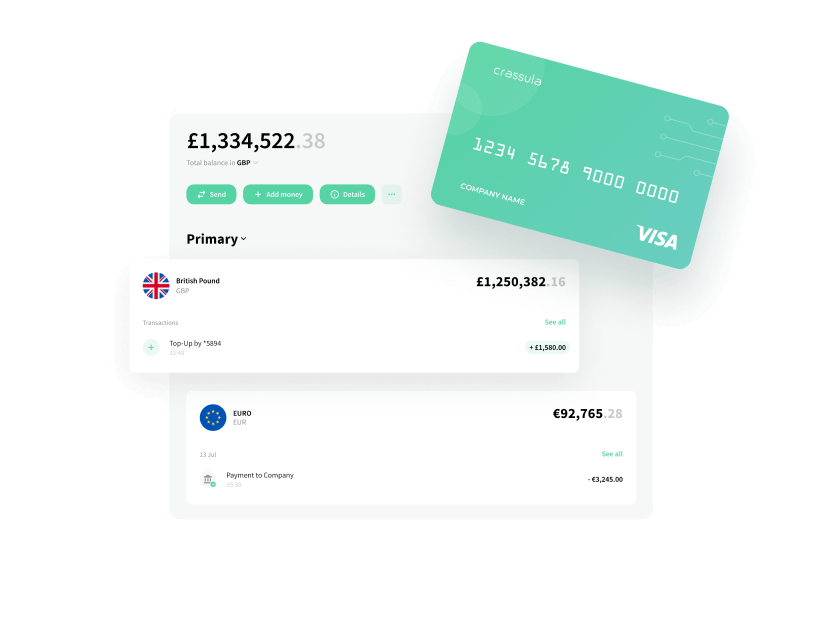
Crassula est une plateforme produit en marque blanche qui transforme un agrément bancaire ou EMI - le vôtre ou celui d'un partenaire - en banque numérique à votre marque : comptes et grand livre, émission de cartes, routage des paiements, KYC et AML, module crypto et applis web et mobiles en marque blanche. Le modèle repose sur la configuration plutôt que le code, si bien qu'un produit à votre marque passe en production en quelques semaines plutôt qu'en un an et plus pour un chantier de core profond. Plus de 150 entreprises tournent dessus. Quand les équipes en ont besoin, la plateforme s'intègre avec des cores externes et des partenaires BaaS (ClearBank, Railsr, Modulr et d'autres) au lieu d'imposer un backend unique.
SDK.finance propose une plateforme en marque blanche disponible en abonnement SaaS ou en licence avec code source, ce qui séduit les équipes qui veulent posséder et étendre la base de code en interne. Elle couvre les wallets, les paiements et les fonctions de grand livre pour les fintechs qui apportent leur propre agrément.
Velmie fournit une plateforme modulaire en marque blanche pour néobanques et wallets, avec une approche par composants qui convient aux équipes voulant assembler des briques précises et intégrer leurs propres partenaires.
Mambu est un core SaaS composable, populaire chez les prêteurs et les banques numériques. Vault, de Thought Machine, définit les produits par smart contracts et vise les institutions de premier rang. Tuum est un core modulaire européen qui couvre comptes, paiements, cartes et crédit. Ces acteurs fournissent le moteur ; il vous faut encore une couche produit et appli au-dessus, et c'est là qu'intervient une plateforme comme Crassula ou un développement interne.
Temenos et Finastra proposent de larges suites core plus digital utilisées par les banques établies. Elles couvrent une gamme produit énorme et portent un historique réglementaire profond, au prix d'implémentations plus longues et d'engagements commerciaux plus lourds qu'une plateforme produit en marque blanche.
Le cadrage honnête : si votre objectif est une banque numérique ou un wallet à votre marque en production ce trimestre, une plateforme produit en marque blanche comme Crassula est la voie la plus rapide, et elle intègre toujours des cores externes et des partenaires quand vous avez besoin d'un contrôle backend plus profond. Si vous êtes une grande institution qui remplace un core de premier rang, Temenos, Thought Machine ou Mambu ont leur place sur la shortlist, avec une couche produit ajoutée au-dessus.
Où se situe Crassula
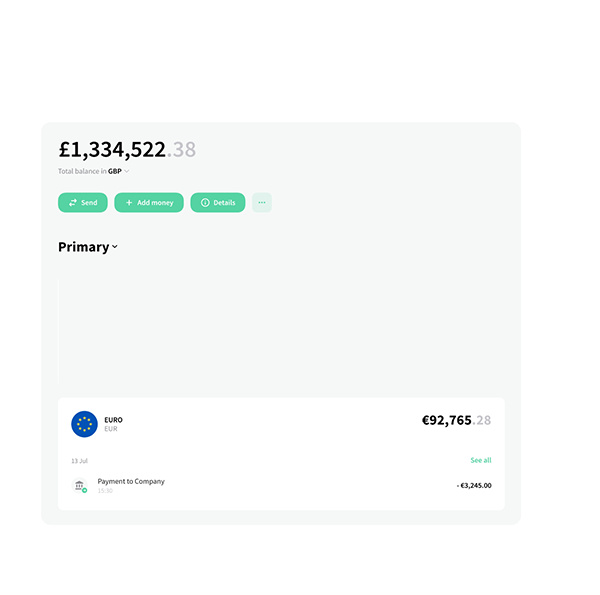
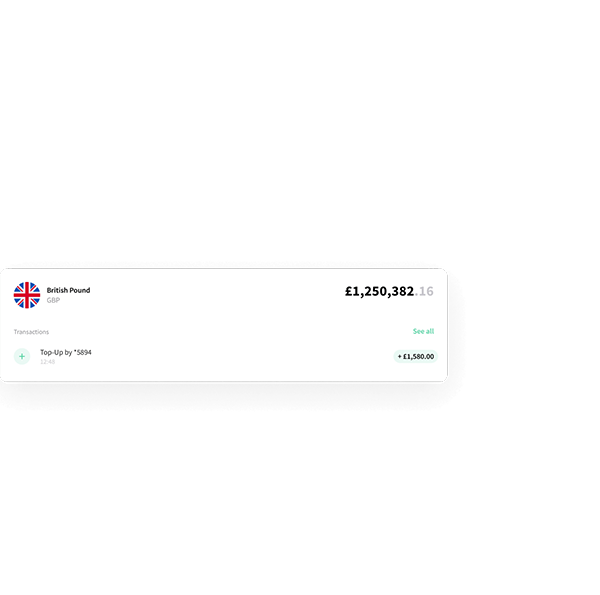
Crassula se place sur la couche produit et orchestration : applis web et mobiles en marque blanche, grand livre temps réel, KYC et AML, émission de cartes, routage des paiements et back-office d'administration, sur votre propre entité agréée ou sur l'un de ses partenaires BaaS. Le résultat, c'est une banque numérique à votre marque en quelques semaines, sur une stack qui passe l'échelle et qui se connecte à des cores externes quand un backend plus profond est nécessaire.
Consultez le guide de la banque numérique pour le concept, le guide de la banque en marque blanche pour le modèle, ou les solutions challenger bank et ClearBank pour des parcours de lancement concrets. La fonctionnalité UI en marque blanche montre ce qui est livré à votre marque dès le premier jour.
FAQ
Il n'y a pas de meilleure plateforme dans l'absolu - tout dépend de l'endroit où se situe votre goulot d'étranglement (le moteur de core ou le produit au-dessus), de votre agrément et de votre calendrier. Pour une banque numérique ou un wallet à votre marque en production en quelques semaines, les plateformes produit en marque blanche comme Crassula sont en tête. Pour posséder le code source, SDK.finance est une option. Pour un core cloud moderne sous un chantier plus large, Mambu, Thought Machine et Tuum sont solides. Pour la modernisation d'une banque de premier rang, Temenos et Finastra. Choisissez d'abord votre camp, comparez les fonctionnalités ensuite.
Le core banking est le moteur - grand livre, processeur produit et traitement des transactions. La plateforme de banque numérique est la couche produit et expérience : onboarding, applis, parcours cartes et paiements, administration. Des cores comme Mambu ou Thought Machine fournissent le moteur ; des plateformes comme Crassula fournissent le produit à votre marque au-dessus, souvent sur un core ou un partenaire BaaS. Une banque numérique complète a généralement besoin des deux, et c'est pourquoi beaucoup de lancements associent un core cloud à une plateforme produit.
Avec une plateforme produit en marque blanche sur un agrément existant, un MVP à votre marque peut être en production en six à douze semaines, et compter quelques mois pour le multidevise, la crypto ou une conformité complexe. L'implémentation d'un core profond prend 18 à 36 mois, et une construction complète de zéro avec votre propre agrément se compte en années. La voie la plus rapide pour une nouvelle marque, c'est une plateforme produit adossée à un partenaire BaaS ou à un agrément existant, avec un core plus profond ajouté plus tard si l'échelle l'exige.
Pas toujours. Les éditeurs de core et les plateformes avec code source attendent en général que vous apportiez votre propre agrément bancaire ou EMI (en France, délivré par l'ACPR). Les plateformes produit comme Crassula peuvent tourner sur votre propre entité agréée ou se brancher sur un partenaire BaaS (ClearBank, Railsr, Modulr et d'autres), ce qui permet de lancer sous l'agrément d'un partenaire et de passer au vôtre une fois l'échelle atteinte. Votre stratégie d'agrément est l'une des premières choses à trancher, car elle détermine quels fournisseurs sont même pertinents.
Cela dépend de la plateforme. Les plateformes orientées configuration échangent un peu de contrôle bas niveau contre la vitesse, mais les meilleures, dont Crassula, exposent des APIs et intègrent des cores externes et des partenaires BaaS, si bien que vous n'êtes pas enfermé dans un backend unique et figé. Les plateformes avec code source donnent un contrôle maximal, au prix de la maintenance. La vraie question n'est pas « le contrôle maximal en théorie » mais « assez de contrôle pour votre produit, dans un délai et à un coût que votre entreprise peut absorber » - pour la plupart des nouveaux lancements, une plateforme configurable avec des APIs ouvertes est le bon équilibre.