

Top Card Issuing Platforms in 2026: Compared
A 2026 buyer's guide to card issuing platforms. Compare Marqeta, Stripe Issuing, Galileo, Adyen, Highnote, Lithic, Enfuce, Wallester, Paymentology and Crassula across regions, licensing, virtual cards and pricing.
What a card issuing platform does
A card issuing platform is the infrastructure that lets a fintech, bank, EMI or brand create and run its own payment cards - virtual or physical - without building scheme connectivity, an authorization server and a compliance stack from scratch. The platform handles the technical heavy lifting: real-time authorization, tokenization for Apple Pay and Google Pay, spend controls, and the connection to Visa or Mastercard through a BIN sponsor or the platform's own licence.
If you want the full mechanics of issuing - the four roles in a card transaction, BIN sponsorship, PCI DSS scope and program types - read our card issuing guide. This page is the shortlist: who the leading card issuing platforms and companies are in 2026, what each is good at, and how to choose.
Hablemos de tu proyecto y veamos cómo podemos lanzar tu Producto bancario digital Juntos
Solicita una demoHow to choose a card issuing platform
The right platform depends less on a feature checklist and more on four decisions. Get these straight before you talk to vendors.
Region and scheme reach
US-first issuer-processors differ from EU-native platforms on licensing, settlement and supported currencies. Pick for where your cardholders are, not where the vendor is famous.
Licensing model
Some platforms bring their own BIN and licence so you launch without a sponsor; others expect you to bring an EMI or banking licence. This decides your speed and your compliance load.
Virtual vs physical, and program type
If you need instant virtual cards into mobile wallets, check the tokenization story. If you need credit, check whether the platform supports a credit line, not just debit and prepaid.
Control vs speed
Issuer-processors give deep programmatic control at the cost of heavier integration. White-label platforms trade some low-level control for a branded product live in weeks.
The card issuing market in 2026
Card issuing has become an infrastructure layer that any product company can plug into. There are over 25 billion payment cards in circulation worldwide, and the virtual cards segment alone is projected to pass $13 trillion in transaction value by 2030 as B2B spend, expense management and subscriptions go card-native. The result is a crowded field of issuer-processors, program managers and white-label platforms, each with a different sweet spot.
The top card issuing platforms in 2026
This is a working shortlist across the US and EU, blended across issuer-processors and white-label platforms. Choose based on geography, licensing model and whether you want deep card control or a branded product fast.
| # | Platform | HQ | Model | Sweet spot |
|---|---|---|---|---|
| 1 | Marqeta | USA | Issuer-processor | Card programs at enterprise scale |
| 2 | Stripe Issuing | USA | Platform + sponsor bank | Stripe-native products and marketplaces |
| 3 | Galileo | USA (SoFi) | Issuer-processor | Card-first fintechs, North America and LatAm |
| 4 | Highnote | USA | Modern issuer-processor | Developer-first US programs, ledger included |
| 5 | Lithic | USA | Developer-first issuer | Fast virtual-card launches, simple API |
| 6 | Adyen Issuing | Netherlands | Acquirer + issuer | Platforms already on Adyen for acquiring |
| 7 | Enfuce | Finland | EU issuer-processor | EU and Nordic programs, sustainability focus |
| 8 | Wallester | Estonia | Visa issuing platform | EU virtual and physical cards at low cost |
| 9 | Paymentology | UK / global | Issuer-processor | Emerging markets and global reach |
| 10 | Crassula | EU | White-label issuing + wallet | Branded card-and-account product live in weeks |
Marqeta is the issuer-processor behind DoorDash, Uber, Klarna and many at-scale programs. If your product is cards first - spend controls, virtual cards, just-in-time funding - Marqeta is hard to beat on programmatic control.
Stripe Issuing lets companies already on Stripe spin up virtual and physical cards with minimal new integration, funded from their Stripe balance. It is the path of least resistance for Stripe-native marketplaces and platforms.
Owned by SoFi, Galileo pairs a long-standing processor with access to a national bank charter. It is a common choice for card-first fintech launches across North America and LatAm.
Highnote bundles issuing, a ledger and rewards into one modern API, which suits teams that want the card account and the balance in one place. Lithic goes the other way - a deliberately simple, fast API for virtual-card use cases where speed matters more than breadth.
Adyen Issuing is the natural add-on for platforms already using Adyen for acquiring. Enfuce is a strong EU and Nordic issuer-processor. Wallester offers low-cost EU virtual and physical Visa issuing. Paymentology reaches emerging markets few others cover. All four are credible if your cardholders are in the EU or globally distributed.
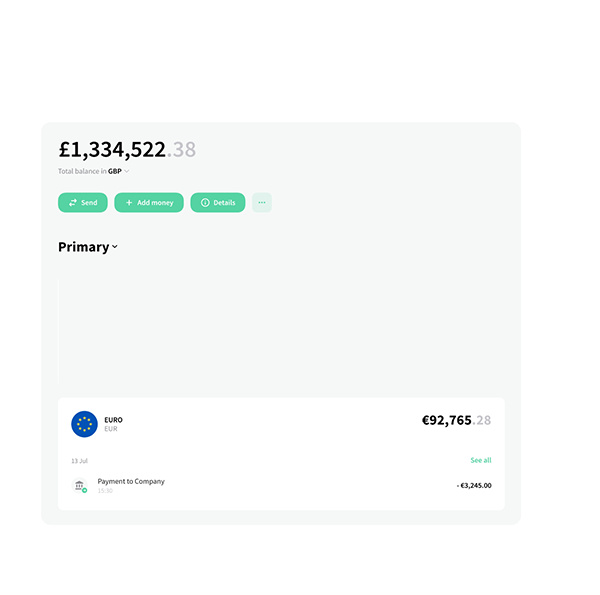
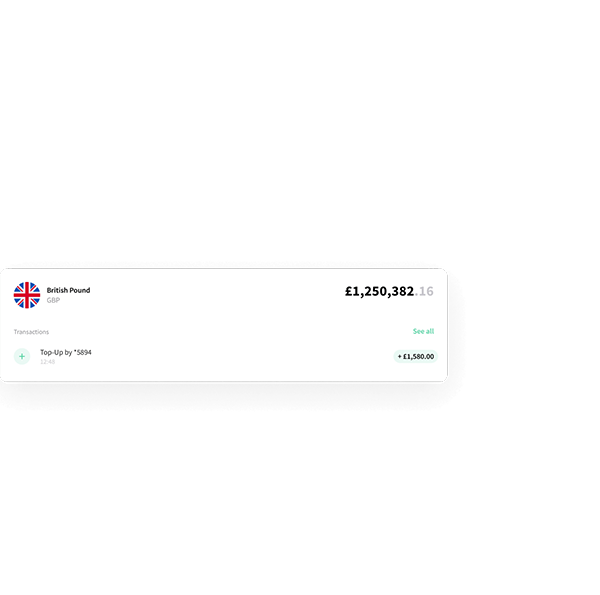
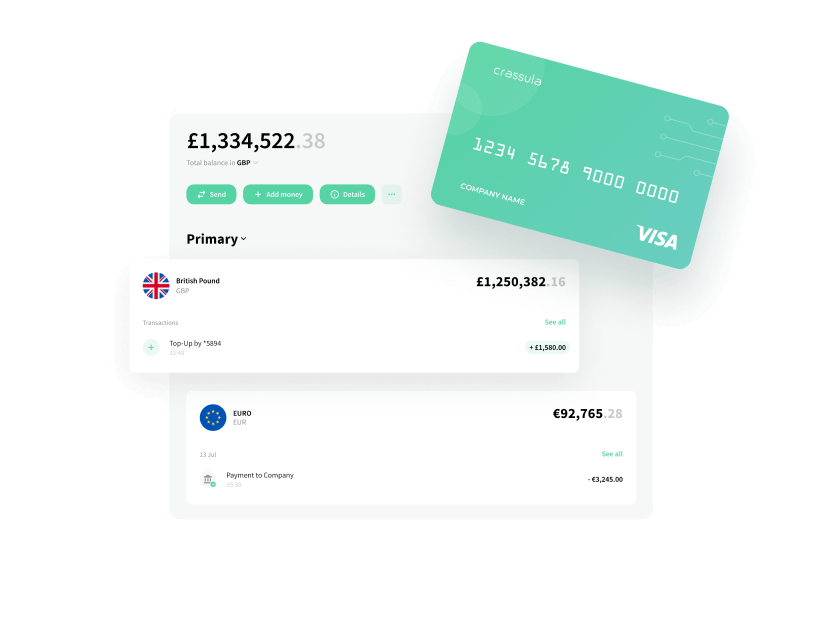
Crassula is a white-label platform that combines card issuing with accounts, a ledger, a wallet and a branded mobile app. Instead of integrating a card processor and then building everything around it, you get the whole product - virtual and physical cards, IBANs, payments and admin - under your own brand, on pre-negotiated BIN sponsor and processor connectivity. More than 150 companies run on the platform.
A practical split: if you need raw, programmable card control at volume, an issuer-processor like Marqeta or Galileo fits. If you need a virtual card issuing platform live quickly, Stripe Issuing, Lithic or Wallester are fast routes. If you want a branded product with cards, accounts and an app together, a white-label platform like Crassula gets you to market without stitching the stack yourself.
How Crassula fits
Crassula is built for fintechs, EMIs and brands that want their own card program without becoming a card processor. The platform provides a real-time authorization server with configurable spend rules, instant virtual issuance into Apple Pay and Google Pay, physical cards through connected bureaus, white-label branding across card and app, and the compliance layer - KYC, AML, 3DS2 and PCI scope reduction - wired up before the first card ships.
Because issuing comes bundled with accounts, payments and a branded app, you launch a complete product rather than a card feature. See the card issuing guide for the mechanics, or the card feature for what Crassula ships out of the box.
Preguntas frecuentes
A card issuing platform is the infrastructure a fintech, bank, EMI or brand uses to create and run its own payment cards without building scheme connectivity and an authorization server from scratch. It handles real-time authorization, tokenization for Apple Pay and Google Pay, spend controls and the connection to Visa or Mastercard, either through a BIN sponsor or the platform's own licence. Some platforms are pure card issuer-processors; others, like Crassula, bundle issuing with accounts, a ledger and a branded app.
There is no single best - it depends on region, licensing and product. For at-scale programmable card control in the US, Marqeta and Galileo lead. For Stripe-native platforms, Stripe Issuing is the quickest path. For EU virtual and physical cards, Wallester, Enfuce and Adyen are strong. For a branded product that combines cards with accounts and an app, white-label platforms like Crassula get you live in weeks. Choose for where your cardholders are and how much of the stack you want to own.
A virtual card issuing platform generates card credentials in software - instantly, with no physical manufacturing - and provisions them into mobile wallets. Virtual cards cost almost nothing per unit, can be single-use or merchant-locked to limit fraud, and suit online payments, subscriptions and B2B spend. Lithic, Stripe Issuing and Wallester are popular for virtual-first programs; Crassula issues virtual cards instantly and lets you add physical cards on the same account.
Most card issuing platforms start with debit and prepaid because no credit is extended, so they can run on an EMI or sponsor licence. Credit card issuing needs a lending licence or a sponsor that underwrites the credit, plus affordability checks, billing and collections. A few issuer-processors and their bank partners support credit programs directly; if credit is your core product, confirm credit support and the underlying lending licence early, as it is a heavier build than debit or prepaid.
Building issuing infrastructure and negotiating scheme membership directly can run into seven figures and 12-18 months. Launching on a platform with pre-negotiated BIN sponsor and processor connectivity compresses that to weeks, with pricing usually a setup fee plus per-card and per-transaction charges. Physical cards add $2-8 per unit; virtual cards are effectively free to produce. The main ongoing economics are interchange revenue against processor, scheme and sponsor fees.
Otras guías
Crea un banco digital en cuestión de días
Solicita una demo